
Addiction to opioids is both a physical and mental/emotional condition, and it’s hard.Poppy flower image from Shutterstock This statement may come as a surprise to some. While the first intervention is important, staying sober long term also presents hurdles. Relapse is to be expected in people with opioid dependence and with good practice, can be avoided. At New Hope Women Rehab Centre Islamabad, we specialize in full spectrum relapse-prevention services for women – creating a safe and supportive recovery environment that is conducive to healthy living principles. Here, we take a look at some of the most crucial strategies to prevent relapse and why it’s so important to get professional guidance for this purpose such as seeking help from a Rehab center in Pakistan.
Understanding Relapse in Opioid Recovery
Relapse is resuming use of opioids following a period of abstinence. It is typically due to a combination of biological, psychological, and social factors. Early detection of risk of relapse is important for preventative intervention. Common triggers include:
- Stress and Mental Pressure: Anxiety, depression, or major life stress can render individuals more susceptible.
- Societal Factors: Social pressure, or being around scenarios where drug use is considered to be acceptable.
- Physical Pain or Illness: They be used to self-treat and cope with chronic pain.
- Cravings and Triggers: Daily ritual activities or environments in which drugs were previously used.
At New Hope Women Rehab Centre Islamabad, knowing their triggers helps our staff to create custom relapse prevention plans, so women learn healthy coping skills in recovery and have continued support —like new friends belonging to NA or self-help group.
Effective Relapse Prevention Strategies
1. Comprehensive Behavioral Therapy
Relapse prevention is based on behavioral treatments. Cognitive Behavioral Therapy (CBT) is especially helpful, allowing individuals to identify the very negative thoughts patterns they are feeling get triggered and providing them with better strategies. Therapists guide patients in:
- Identifying high-risk situations
- Learning stress management techniques
- Developing problem-solving skills
Treatment also for women in recovery, focuses on gender-specific issues like trauma, parenting and societal standards.
2. Medication-Assisted Treatment (MAT)
Medication-Assisted Treatment, the combination of approved medications and counseling/behavioral therapy, stops cravings and withdrawal symptoms in a structured environment. Common options include:
- Methadone: Reduces cravings and withdrawal symptoms over a controlled period.
- Buprenorphine: Aids in reducing the impact and dependency on opioids.
- Naltrexone: It works by blocking opioid receptors and preventing relapse should opioids ever be used.
The following aims at understanding MAT and how to help prevent its abuse, among which a Pakistan best Rehabilitation centre such as New Hope Women Rehab Centre Islamabad ensures that the treatment is authorized by professional practitioners.
3. Building a Strong Support Network
There is no such thing as recovery in in isolation. Avoiding hanging around with friends, family or peer groups can greatly increase the likelihood of a relapse. Key elements include:
- Family Engagement: Family members who participate in therapy or support meetings increases emotional resilience.
- The Power of Peer Support Groups: Holding each other accountable while sharing experience with fellow members in recovery.
- Mentorship: People in recovery with a few years of experience can help newbies navigate challenges.
Women-only services help to ensure that the support provided caters for different emotional and social requirements.
4. Lifestyle Modification and Routine
Creating a regular daily schedule can limit idle time that could lead to craving. Effective lifestyle strategies include:
- Exercise: It helps give a better mental health, quicker reaction to stress.
- Wholesome Nutrition: Facilitates bodily restoration and helps with overall wellness.
- Mindfulness/Meditation: While it is important to have lessons about mindfulness and meditation, it just as effective (and easier on the teacher) for your child to witness you engaging in these exercises.
- Hobbies and Skill Development: You can develop a hobby or skill; it helps distract you from triggers.
These are attitudes and practices that make for a stronger recovery, teaching women how to live soundly after they overcome their addiction.
5. Continuous Monitoring and Follow-Up
Relapse prevention is a matter of continued concern beyond first treatment. Consistent follow-up visits, counseling sessions and check-ins assist in identifying early relapse signs. At New Hope Women Rehab Centre Islamabad, Aftercare Programs are structured to:
- Track recovery progress
- Address emerging challenges promptly
- Strengthen prevention and coping skills from rehab
This frequent supervision makes long-term recovery chances better.
6. How to Deal with Stress and Triggers
Relapse is prevented by effective coping strategies. These may include:
- Deep Breathing and Relaxation: Handy techniques for dealing with sudden stress.
- RECOGNIZE: Challenge those gloomy voices with positive words and actions.
- Avoid High-Risk Situation: Avoidance of situations previously linked with opiate use.
- Creating Crisis Plans: People with plans for dealing with cravings are less likely to make rash decisions.
Programs for Women recognise the interrelationship between emotional self-care, responsibilities to families and the needs of recovery.
Opioid Recovery Relapse Prevention Faqs
1. How often do patients with opioid treatment relapse?
Relapse is not uncommon and should be a part of the process, it does not mean that you have failed. It emphasizes the importance of continued support and flexible tactics.
2. Can relapse be completely prevented?
Although no approach can eliminate the risk of relapse, therapy and medication, along with support systems and lifestyle changes, greatly lower it.
3. How long does one need to be in rehab?
It’s up to you how long this lasts and it depends on your severity of addiction as well as how you respond to treatment. Personalized plans ensure optimal outcomes.
4. Are women more likely to relapse?
Women experience specific issues including hormonal fluctuations, caregiving and trauma history that may impact the risk of relapse. Gender-specific care addresses these factors.
5. What is the best rehab in Pakistan?
A Pakistan best Rehabilitation center emphasis on professional care, evidence based therapies, customized programs, vigilant and supportive environment according to individual need.
Conclusion
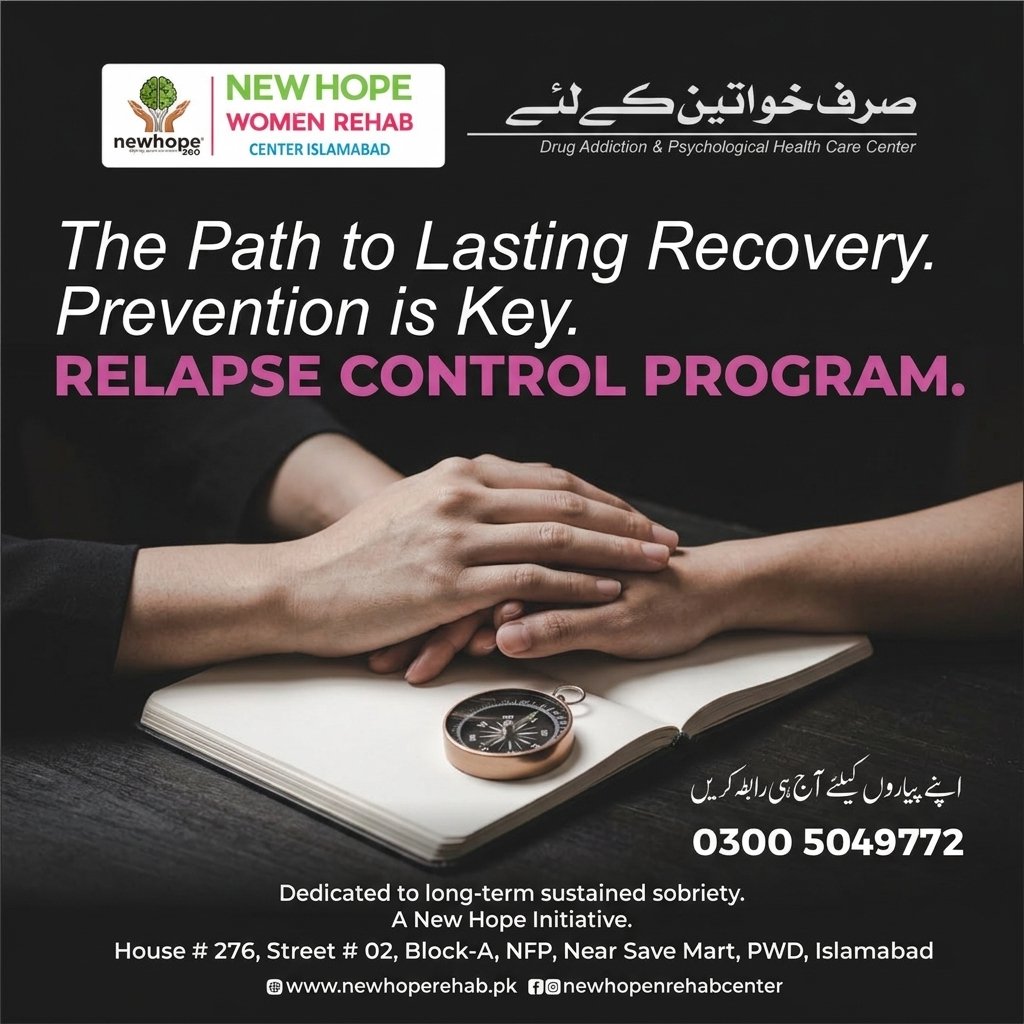
Prevention of relapse is a key aspect for opioid recovery. Behavioural therapy, medication-assisted treatment (MAT), support systems, lifestyle changes and ongoing monitoring are all ways a person can greatly minimize their risk of relapse back on opioids.
We try at New Hope Women Rehab Centre Islamabad in offering holistic Women Addiction Treatment for an opportunity for women to rebuild their lives as they recover from the addictions. We are a leading Pakistan Rehabilitation among Rehabilitation centers in pakistan, We take our team’s broad experience and use it to provide the best possible services for women who chose a life free from addiction at our rehab center.