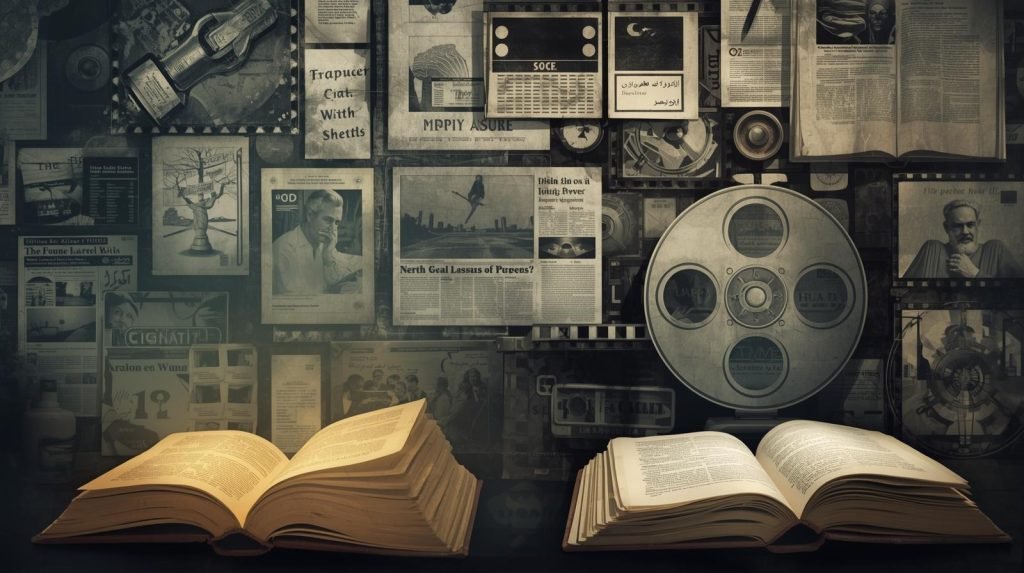
 Mental health education is gradually being introduced in Pakistan, but stigma and lack of open discussion are major obstacles. Artistic observation & social reflection in literature and media As powerful mirrors of society, literature and media have a significant duty to form perceptions of mental health. The portrayal of mental health in Pakistani literature, dramas and cinema and journalism we can understand cultural bias, misrepresentations, and scope for awareness. For those looking for help, New Hope Women Rehab Centre Islamabad and other professional institutions offers holistic treatment for mental health problems, with a focus on compassion and ethics.
The depiction of mental illness in Pakistani literature
Pakistan’s literature (novel and short story collections) also emerged with such feelings of crux, uncertainty and depressive mood. But conversations specifically around mental health are more recent. Characters with such emotional issues have long thrived in classic works of literature, if through a metaphorical lens that reflects society’s expectations more than medical insights.
Modern novels are increasingly embracing mental health in all its complexity. Books both fiction and nonfiction focus on anxiety, postpartum depression, and PTSD such as Gerda Weissmann Klein’s “All But My Life,” offering readers to chance to get inside the heads of those who suffer. Stories like this create conversation and decrease stigma, but remind us that it’s important to have professional support from a Mental Health Rehab Cente r if needed.
Key Themes in Literature
- Family and Social Pressure: “This category is about family values and stress, societal control, and cultural norms. Characters are battling with culture impositions by their families or society around them leading to the development of nostalgia in one’s experience after migration.” Significance: Many novels are exposing stories depicting stress for survival of living expenses in a new place as well as over slight difference in gender/identity orientation issues (Hashim, 2015).
- Gender-Based Struggle: Many female several struggles such as domestic violence, constraints of the society and disregarding mental health that would easily connect with patient demographic same as woman focused rehabs.
- Trauma and Loss: Grieving, war, and forces of nature in literature Books that show society as a collection of traumatized individuals whose long-term mental health should not be ignored.
Depiction of Mental Health in Pakistani Media
Media is a reflection of people’s thoughts in Pakistan, especially television plays and films. In recent years, mental health story arcs have increasingly recurring themes, covering everything from depression and bipolar disorder to schizophrenia and addiction. If true, representations like these can raise awareness and help destigmatize.
Positive Contributions
- Humanising Mental Health: TV serials and films showing people visiting a psychologist/therapist or reading widi negative thoughts are supposed to socialize professional help (which might be similar to what is provided by New Hope Women Rehab Centre Islamabad).
- Public Awareness Campaigns: Around issues of mental health, there has been a public campaign to discuss these issues through documentaries and talk shows with expert opinions and coping strategies.
Challenges in Media Representation
- Stereotyping: Depictions of mental illness are sometimes over the top or inaccurate which promotes fear or misunderstanding.
- Ill-representation of Women: While women’s mental health takes a heavy beating from norms and standards set by the society, they are rarely portrayed properly in mainstream media.
- Insufficient attention to professional help: More can be done to emphasise the role of formal mental health work, such as rehabilitation.
The Role of Literature and Media in Promoting Rehabilitation
By responsibly portraying mental health issues, literature and the like can encourage the public to seek professional help. Mental health institutions like New Hope Women Rehab Centre Islamabad and facilities that focus specifically on the problems experienced by women provide a supportive environment to deal with mental and psychological issues. Literature and media which include recovery or resiliency messages have the potential to:
- Dispel cultural taboos around therapy and treatment.
- Foster early identification and intervention in mental health problems.
- Focus on how professional mental health support, ie counseling/group therapy/individual treatment plans is a holistic approach.
Culture, Mental Health, and Rehabilitation Formulation of the Problem
It is considered to be a traditional society with strong family ties, and social obligations. While these are supportive networks, they can also add to pressures, anxiety and repressed emotions. This duality, with popular and media culture as its mirror, is a central theme common to many literary works that address the tug of war between cultural norms and personal mental health.
Places such as New Hope Women Rehab Centre Islamabad fill these voids by incorporating local values into treatment. Their services are social context friendly of patients and embrace evidence-based therapies to make women feel understood and supported on their recovery road.
The Significance of Media Literacy and Critical Inquiry
It is important for the audiences to be critical in their comprehension of media representations. But not every rendition paints a clear picture of what it means to struggle with mental health. This is where education of the audience from both viewers and readers about realistic portrayals can be helpful:
- Avoid misconceptions about mental illnesses.
- Know when to get help from outside the school setting.
- Foster understanding and lessen judgment of those struggling with mental illness.
Mental Health In Pakistani Literature And Media: FAQs
1. How responsibly is depression covered by Pakistani media?
Although media has come a long way in representing mental illness, quite often it oversimplifies or sensationalises the matter. Changes that have Worked Public education and accurate narrative in media has improved.
2. Can reading fiction foster a greater understanding of mental health?
Yes. Books enable people to put themselves in the shoes of others, nurturing empathy and dispelling stigma around mental health issues.
3. Why do you think the issue of women’s mental health has been given so much importance in Pakistani literature?
However, cultural and social dressings affect women more than men so stories of their mental wellness have become central pieces.
4. How can stories in the media help people seek assistance?
Upbeat and inspiring depictions of therapy, rehabilitation and recovery inspire people to seek professional help from places like New Hope Women Rehab Centre Islamabad.
5. What is the function of a Mental Health Rehab Center in Pakistan?
These facilities offer organized counselling, treatment, and therapy that can address emotional, behaviour or psychological issues in an environment that’s frofessional and safe.
Conclusion
While out, the intersection of pass Pakistani literature, media and mental health is problematic as well. When told sensitively, stories can help dismantle cultural taboos by raising awareness and encouraging people to go for professional help. Institutions like New Hope Women Rehab Centre Islamabad is a helpful place for women who are struggling with mental conditions, as they will provide tailored support and care that is compassionate and locally-informed. You’re the ideal organization to bring the narrative and vocational rehabilitation together– as you blend that story into a professional life, you bridge two worlds, giving us more effective ways to understand and take care of ourselves.