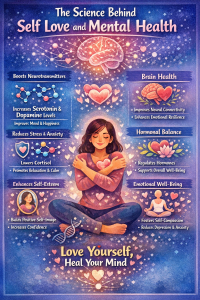
In a world where everything is evolving so fast, health has just become something beyond the physical. With therapy, medication, and lifestyle changes considered common tools for patients to improve their mental health, there’s one idea that is getting a lot of buzz for how powerful it can be: self-love. “Success is much more about self-love than it is any other thing.”―Jonathan ClementsAt New Hope Women Rehab Centre Islamabad we think that knowing the science of why self-love is critical for women who battling mental health, addiction or emotional pain. It is the purpose of this article to examine how self-love affects mental health and why it is integral to rehabilitation and recovery.
Exploring The Mysteries Of Self-Love And Its Relationship With Mental Health
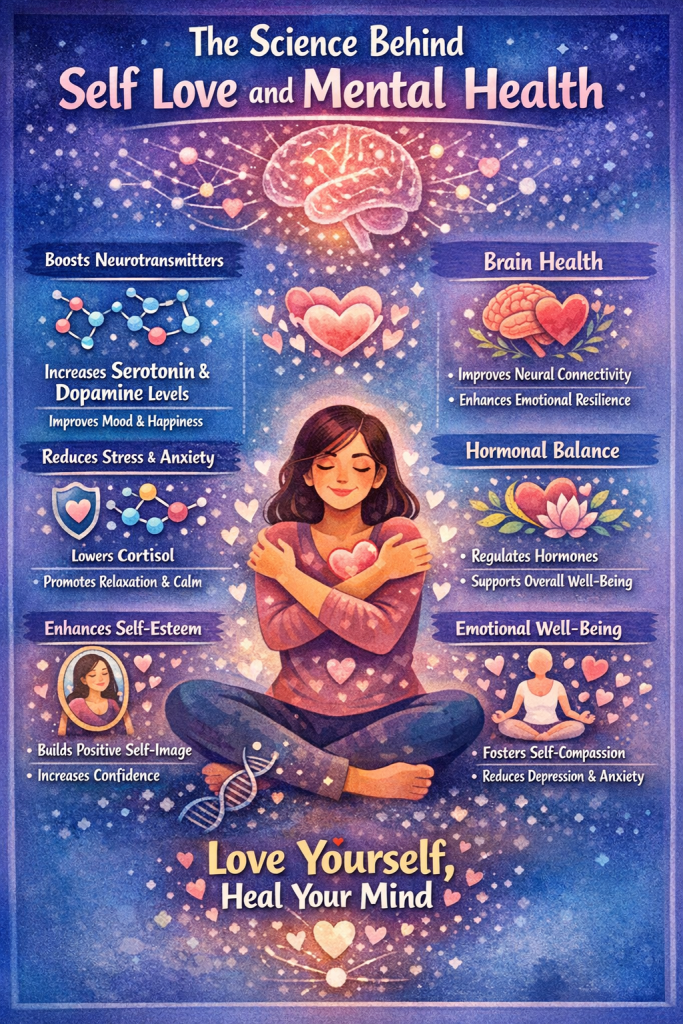
Self love is not just about treating yourself kindly though self care, it’s about a deep level of appreciation for who you are. Self-love is defined by psychologists as acknowledging and appreciating your worth, meeting your needs and establishing an ongoing relationship with yourself — one that you nurture and treasure. Studies have found, people who practice self-love are likely to have:
- Reduced stress and anxiety
- Improved resilience in challenging situations
- Better emotional regulation
- Enhanced motivation for personal growth
It’s these advantages that make self-love very crucial mental health too as women heal from addiction, or emotional trauma. Nurturing self-love can supplement therapeutic modalities at a mental rehab centre in Islamabad Pakistan and can improve treatment and recovery, long-term happiness.
The Neuroscience of Self-Love
Self-love and brain health are scientifically correlated. Practicing mindful self-affectation activates neural areas involved in emotion regulation tendencies, such as the prefrontal cortex. Yet it suppresses activity in the amygdala, fear and stress center of the brain.
Neuroscience research also points to the importance of habitual self-affirmation and mindfulness-based self-regulation techniques in elevating levels of dopamine and oxytocin, hormones associated with happiness and social bonding. Such modifications can lift the mood, calm anxious feelings and help women relate healthily to others – 3 running themes in the recovery programs at New Hope women Rehab Centre Islamabad.
Self-love as a protective factor in mental wellbeing
Self-love isn’t just some cutesy habit, either—it’s a protective factor against mental health issues. Those who are more self-compassionate suffer less depression, chronic stress and even have a lower likelihood of substance abuse relapse. In a clinical practice, promoting self love, helps subjects:
- Develop realistic and compassionate self-expectations
- Stave off negative self-talk and cognitive distortions
- De-facto your mental defenses to triggers and relapse
This protective factor can be particularly important for women in recovery, as emotional exposures and societal expectations can compound existing mental health problems. A mental convalescence home in Islamabad Pakistan which incorporates self-love into therapy can offer his ailing clients both emotional and neural support.
Practical Strategies to Cultivate Self-Love
While the science is necessary to grasp, so too is the practising of self-love in daily life. Here are some of the evidence-based strategies mental health professionals recommend:
1. Mindfulness and Meditation
This type of meditation teaches one to accept one’s thoughts and feelings in a nonjudgmental way, builds self-acceptance and reduces anxiety.
2. Positive Affirmations
Positive affirmations can reprogram negative patterns of thought, leading to a more positive outlook, and a higher sense of self-worth and confidence.
3. Healthy Boundaries
Practicing how to say no, and doing so in both your personal life and career ensures a healthy mind as well as self worth.
4. Self-Care Rituals
Focusing on activities that feed the body and soul — like exercise, healthy eating, learning a new hobby — increase self-love.
5. Professional Support
Emotional Rebalance Through Interacting with Specialist Counsellors and Therapists at Nearest Mental Rehabilitation Center in Islamabad Pakistan when you are dealing with specialist, you’re not just going to receive their support but it will also be tailored to your mental health requirements.
The Role of Self-Love in Recovery Programs
With us at New Hope Women Rehab Centre Rawalpindi, self-love is not just a term; it is one of the pillars we build our rehabilitation services upon. It is actually better to include self-love, self-esteem into treatment schedules for these women:
- Restore their self-confidence post trauma or addiction
- Strengthen motivation for sustainable recovery
- Find ways to deal with stress and triggers
- Establish a lifelong commitment to health and wellness
Through building an atmosphere of self-compassion with structured therapy, our center allows those to not only experience a chance in recovery but to thrive.
FAQs
1. What is the role of self-love in recovering from mental illness?
Self-love can develop emotional resilience, reduce stress, and associate with other positive coping strategies that are crucial in rehabilitation programs.
2. Do self-love practices help prevent relapse in recovery?
Yes, self-compassion and respect for oneself make us more motivated and emotionally balanced and hence also less likely to relapse.
3. What are some everyday practices to self love?
Regular mindfulness meditation, affirmations, daily journalling and partaking in self-care activities can all do wonders for your self-love.
4. Do you need professional help to learn how to love yourself?
While the self-love could always be done on your own with your work philosophy, it is more effective when professional guidance ensures strategies are developed and personalized (especially for recovery).
5. Why New Hope Women Rehab Centre Islamabad for mental health help?
Our centre combines natural self health concepts into the base of traditional rehabilitation programs offering a supportive, empowering space for women in recovery.
Conclusion
Self-love is not just a trend and it isn’t selfish, it’s as evidence-based as it gets when it comes to improving one’s mental health and recovery. Women can build resilience, self-worth and emotional balance by learning about the neurological, emotional and behavioral benefits of loving themselves. The freshest state We at New Hope Women Rehab Centre Islamabad New Hope understand the importance of letting patients inhale a breath of fresh air as they begin their recovery. For women looking for a total approach to wellness, self-love is more than just an option—it’s positively the way to go when it comes to lasting mental health.