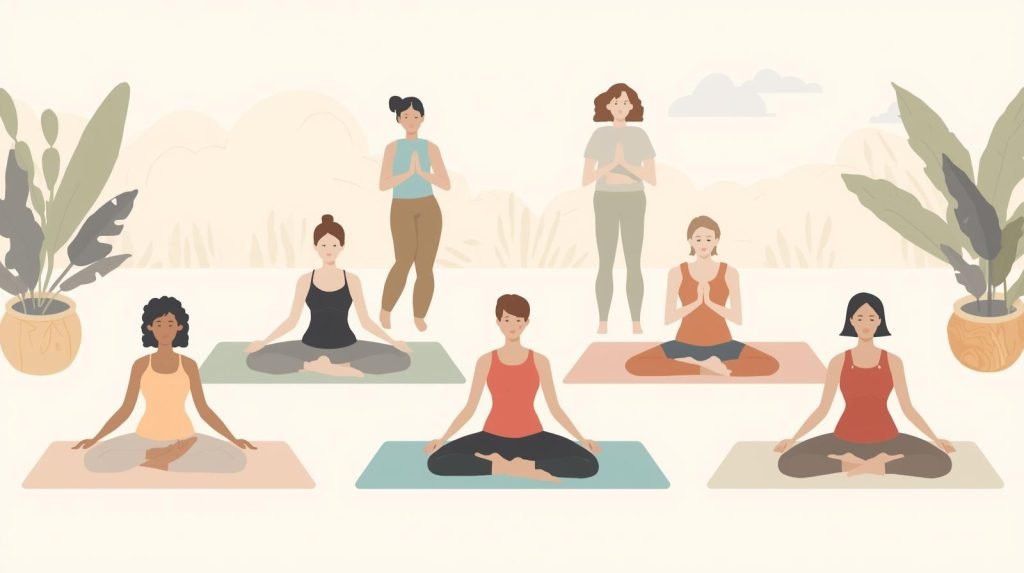

Chronic diseases may have a heavy burden on physical, mental and social well-being. Mental health is further affected by physically limiting conditions like arthritis, diabetes, heart disease, and chronic pain; these can all impede daily activities and contribute to stress, anxiety, or depression. At the New Hope Women Rehab Center Islamabad – a top-notch institution as Best Psychiatric Hospital in Islamabad – we believe that holistic treatments are critical in supplementing medical care and enhancing quality of life, and realize how important yoga is for us.
Yoga as a traditional mind-body practice has been widely recognized for its health-promoting benefits across the globe. If you are living with a chronic illness, adding yoga under the supervision of a professional can lead to symptom relief, increase movement, decrease stress and build emotional strength.
Defining Chronic Disease and Its Effects
Chronical Diseases are diseases which last for a long period of time i.e. one to few months or sometimes years. They are also chronic diseases in that they tend to persist and are managed long term, rather than sit there and be cured. Common chronic illnesses include:
- Diabetes
- Hypertension
- Arthritis
- Chronic respiratory conditions
- Mental health issues, like depression or anxiety
These are chronic conditions that can become tiresome with less mobility, disrupted sleep patterns and emotional stress. Appreciating the mind-body link is important, because psychological health profoundly affects physical recovery. Yoga, meditation and breathing practices may offer useful noninvasive treatment of these problems alongside conventional medical therapy.
How Yoga Is Healing For Chronic Illness
Yoga uses a series of postures (asanas), breathing exercises (pranayama) and meditation or relaxation in order to establish a more harmonious, healing environment. It is also well-documented in its benefit for chronic disease management:
1. Reducing Stress and Anxiety
Stress and anxiety are common in people with chronic illnesses, and can exacerbate physical symptoms. Techniques such as deep breathing, guided meditation and gentle forms of yoga postures are thought to stimulate the parasympathetic nervous system, leading to a relaxed mind.
2. Improving Flexibility and Mobility
Table 1Common musculoskeletal symptoms Aches and pains, stiffness Joint pain and stiffness are a common problem in patients with chronic illness especially those who suffer from arthritis or musculoskeletal disorders. Easy yoga poses to increase flexibility, lubricate joints and keep them healthy as well as for an overall mobility without straining on the body.
3. Enhancing Respiratory and Cardiovascular Health
Similarly, breathing techniques such as Anulom Vilom and Pranayama exercises increase lung capacity to oxygenate the body and improve heart function. These exercises may be especially helpful for people with long-term respiratory conditions.
4. Supporting Pain Management
Mindful yoga practice has been demonstrated to decrease the perception of chronic pain through calmspirational; physical and emotional body, as well release muscle/fascia6 tension. Consistent practice also may result in reduced dependence upon painkillers under medical supervision.
5. Boosting Emotional Resilience
Chronic disease can be an emotional burden. By learning mindfulness techniques with meditation and restorative yoga, patients can relax, develop coping strategies, see a decrease in depression symptoms or find inner peace.
Kinds of Yoga and Chronic Illness
Yoga is not the same throughout all chronic conditions. Personalised programmes for Yoga at New Hope Women Drug Rehabilitation Centre Islamabad to cater for individual needs in a safe environment. Some recommended practices include:
- Hatha Yoga: Involves gentle movements and alignment, great for beginners and anyone with physical limitations.
- Restorative Yoga: This style employs props such as bolsters, and blankets to cradle in passive poses perfect for relaxation and stress release.
- Chair Yoga: Designed for patients with restricted mobility, this gentle style exercise performs yoga while sitting to promote strength, flexibility and balance.
- Pranayama: Breathing techniques that control the flow of oxygen and help quiet the nervous system.
- Mindfulness Meditation: Aids in pain, anxiety and emotional distress from increased awareness and acceptance.
The overall quality of life for patients can be enhanced by integrating these therapies, helping not only the physical but also psychological well being.
Integrating Yoga with Medical Treatment
Yoga has many blessings, but for those who are dealing with chronic diseases like asthma, the practice should be a safe one:
- Talk to your healthcare team: Talk to your physician/therapist before starting any yoga program.
- Go slow: General guidance is to begin with gentle and restorative yoga.
- Obey your body: there is no need to strain yourself; listen to what it tells you and do not leave your own strength behind.
- Professional instruction: having certified yoga instructors who are experienced in therapeutic yoga ensures safety and results.
At New Hope Women Rehab Centre Islamabad We offer holistic based treatment programs that are designed to get to the core issues of what is driving the individual towards substance abuse.
Benefits of Yoga at the Top Psychiatric Hospital in Islamabad
When yoga is integrated with professional psychiatric treatment, it offers a holistic medical and therapeutic discipline to the individuals. Best Psychiatric hospital in Islamabad explains following advantages;
- Enhanced mental clarity and emotional balance
- Lower levels of anxiety, stress and depression
- Enhanced physical function and flexibility
- Pain control and symptom relief
- Encouragement of holistic self-care practices
These benefits illustrate why not just an exercise program, yoga is a valuable therapeutic modality when integrated into long term care programs for chronic disease.
Yoga Tips You Can Actually Use In Your Daily Life
Here are some easy ways to add yoga into our day-to-day lives:
1. Morning Stretch: You can begin your day by stretching gently or engaging in a short breathing exercise.
2. Mindful Breathing Breaks: Take 5–10 minutes to do some deep breathing while working or doing tasks around the house.
3. Evening wind-down: Practice restorative poses for better sleep.
4. Consistency vs Intensity: Frequent small doses are better than few large doses.
5. Mind-Body Awareness: Pay attention to sensations, breathing and posture for maximum benefit.
“So much of it is about just being consistent and sticking with it — you don’t wake up the next day after meditating for one or two hours feeling like a different person, but you will be stronger physically, emotionally, and mentally if you make something of a practice.”
Integrating Yoga with Comprehensive Rehabilitation
Yoga at New Hope Women Rehab Centre Islamabad Yoga is one element of the comprehensive integrative programme offered by us, this includes:
- Individualized therapy sessions
- Psychiatric counseling
- Nutritional guidance
- Group support programs
- Chronic illness management workshops
This integrative focus highlights the relationship between mind, body and spirit, empowering our patients to take back control of their health and life.
FAQs on Yoga and Chronic Illness
1. Can yoga cure chronic illness?
Yoga isn’t a cure for chronic conditions, rather an adjunct to management that can assist in symptom management, better mobility and emotional wellness.
2. How much yoga should one with chronic illness do?
15-30 mins sessions per day are better than occasional long stints, to maintain regularity without overdoing.
3. Can yoga be safe for older patients with chronic conditions?
There are modifications that make yoga accessible to elderly patients (like chair yoga, and restoratives)3 so yes.
4. Is there any special equipment I need for yoga for chronic illness?
Some basic props, such as a yoga mat, bolsters and straps, will help but many restorative and chair yoga poses require little equipment.
5. How is yoga a way to improve mental health in chronic disease?
Yoga lowers stress hormones, promotes a restful state and fosters mindfulness, enabling patients to cope with anxiety, depression and emotional stress related to chronic disease.
Conclusion
Yoga provides a comprehensive approach to coping with chronic disease, treating physical and psychological affects. Symptom relief, greater emotional resiliency and increased well-being are just some of the benefits patients can experience through gentle movement and meditation accompanied by mindful breathing. At New Hope Women Rehab Centre Best Psychiatric Hospital In Islamabad, we also offer this integrative care that fuses professional services with restorative yoga in order to help you heal.
For women with chronic conditions, choosing yoga when practiced under professional guidance is not an option for wellness — it’s an empowerment step toward healing, balance and inner strength.