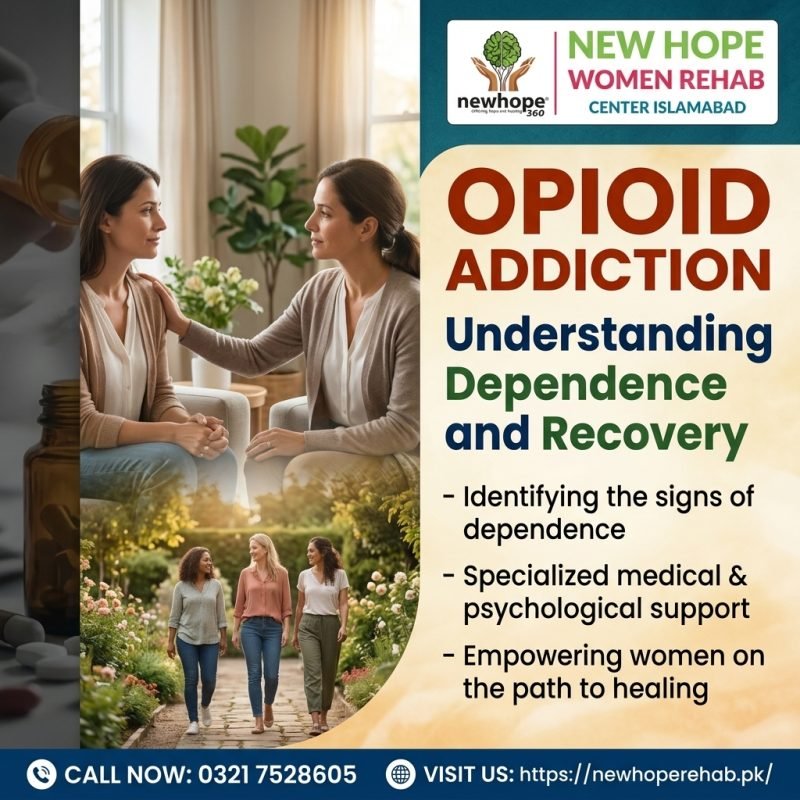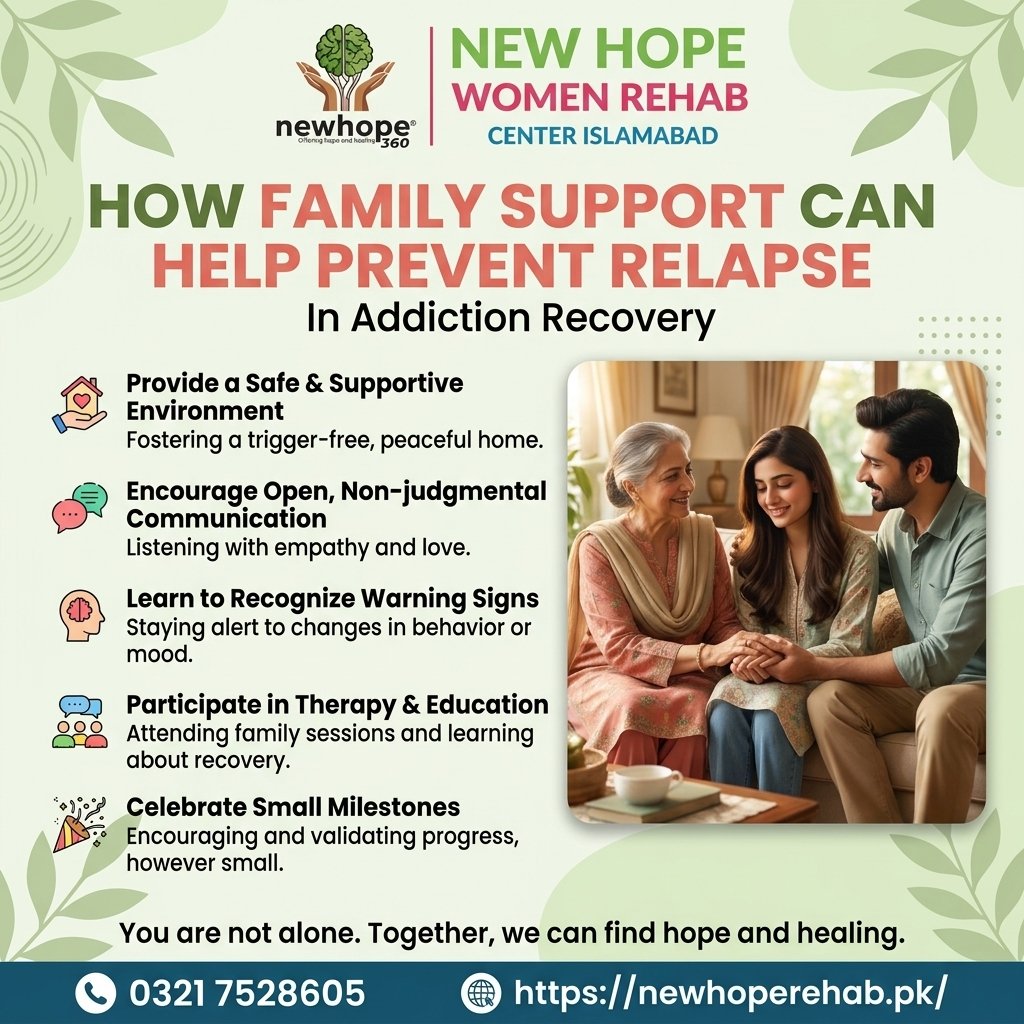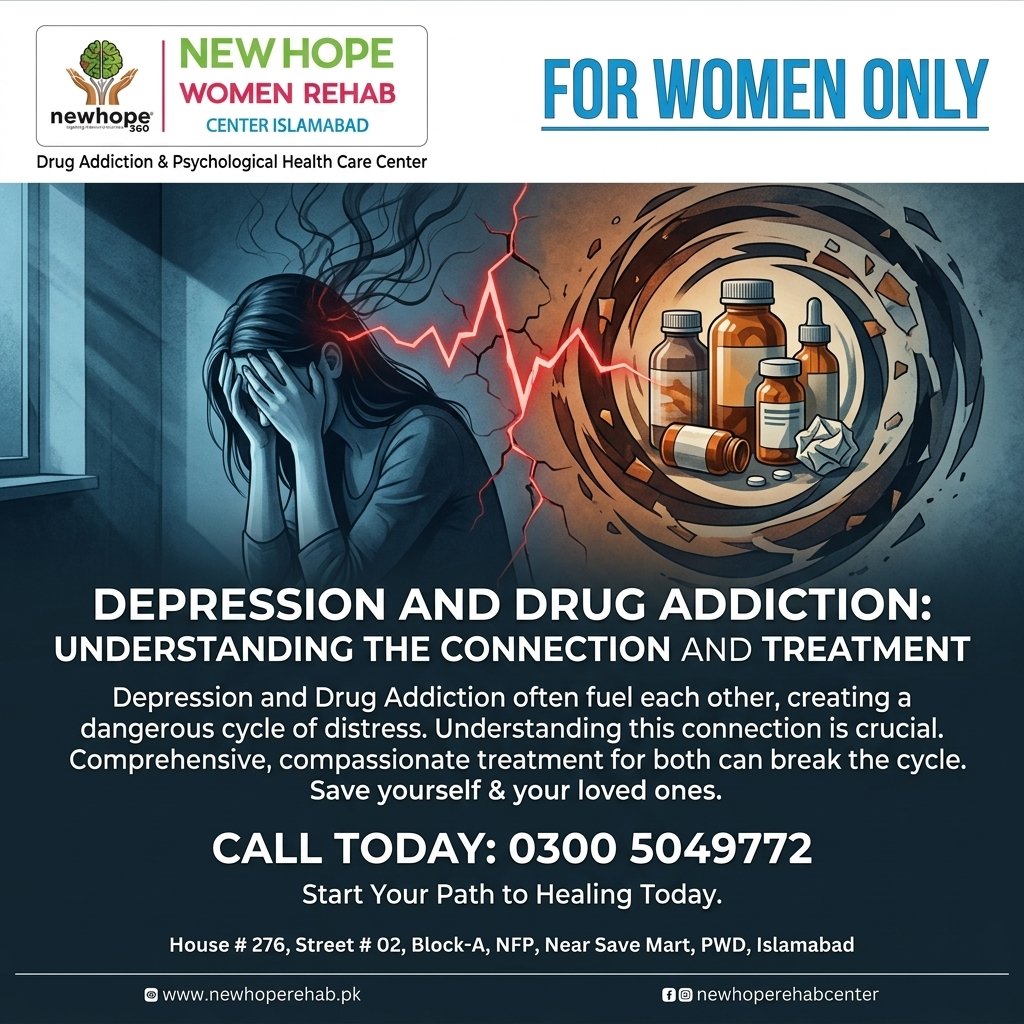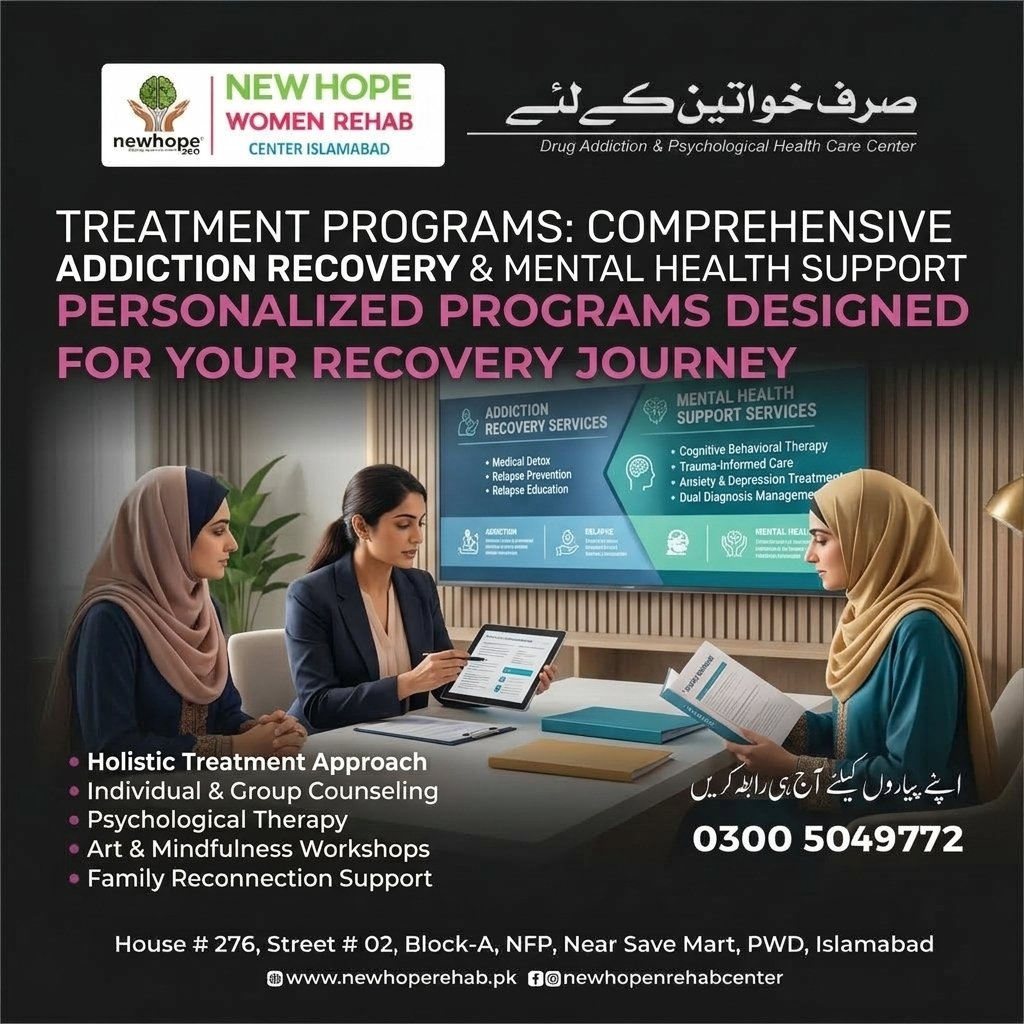
 Recovery from addiction is a personal journey and at New Hope Women Rehab Centre Islamabad we recognizethat. No two people’s path to recovery is the same, so drug and alcohol rehab is most effective when it’s custom-oriented to meet each person where he or she is. Also the special feature of this therapy is individual consultations and they are one of the most part in this treatment. Using evidence-based models of intervention, and best practice protocols, our highly trained counselors work to help women take back their lives from substance abuse.
What is Personal Counseling in the Treatment of Addiction?
What are individual therapy sessions like? Individual counseling (also known as one-on-one therapy) is a safe space where clients can discuss thoughts, feelings and behavior patterns in a confidential setting. Rather than in a group setting, individual counseling offers the benefit of personalized attention, meaning counselors have more time to really concentrate on your experiences, struggles and victories. In the world of addiction treatment for drug and alcohol, this is where you begin to build change upon, along with emotional healing so that you stay sober.
Personalized counseling helps in:
- Pinpointing the cause of addiction
- Learning to cope with triggers and cravings
- Building emotional resilience and self-awareness
- Enhancing motivation to maintain sobriety
Some Methods of Successful Personal Counseling
To establish long-lasting results New Hope Rehab’s Centre Islamabad psychotherapists use the state-of-the-art counseling tools and therapy methods. These approach’s are designed for each client and from this help to maximalize output and reach.
1. Cognitive Behavioral Therapy (CBT)
Cognitive Behavioral Therapy is possibly the most commonly employed tool available, as it pertains to both drug and alcohol rehab. CT aims to identify and change negative thoughts associated with addictive behaviors. Therapists help clients identify negative beliefs and introduce them to healthier ways of thinking.
The advantages of CBT in individual therapy:
- Changing negative thought patterns that lead to substance use
- Improving problem-solving and coping abilities
- Providing strategies to prevent relapse
2. Motivational Interviewing (MI)
Motivational Interviewing is a conversation that helps you strengthen your own motivation for and commitment to change. Counselors do not lead or tell but instead provide conversation that allows clients to express their own reasons for recovery.
Benefits of MI include:
-
Enhancing intrinsic motivation to overcome addiction
-
Resolving ambivalence toward change
- Fostering attitude of self-efficacy and sobriety
3. Solution-Focused Brief Therapy (SFBT)
This therapeutic model aims at resolution of problems or obstacles rather than the identification thereof. Clients are invited to focus on their potential, to see the strengths they already possess and empower them to work toward solutions.
Benefits of SFBT include:
- Promoting a forward-thinking mindset
- Encouraging actionable steps toward recovery
- Empowerment through focusing on clients’ personal resources
4. Psychodynamic Therapy
Psychodynamic Therapy examines past experiences, relationships and unconscious thoughts that are driving current behavior. In therapy for addictions it helps addicts to understand why they have used, so that they can work through the emotional conflicts which fuel their addiction.
Benefits of psychodynamic therapy include:
- Improving self-awareness and emotional understanding
- Heal past pain, or trauma that fuels addiction
- Minimising emotional cues for substance use
5. Mindfulness-Based Therapy
And now, mindfulness is being incorporated into addiction treatment programs for drugs and alcohol. Counsellors help clients to stay in the present and not judge their thoughts, respond rather than react to cravings mindfully.
Benefits of mindfulness-based therapy include:
- Stress and the Addiction Cycle – Stress Reduction Approaches to Avoid Relapse.
- Enhancing emotional regulation and self-control
- Developing mental fitness and resilience across the lifespan
6. Narrative Therapy
Narrative Therapy facilitates clients in changing the stories of their life and perceiving themselves as not just an addiction. By depersonalizing problems and naming personal qualities, clients can establish positive elements of identity.
Benefits of narrative therapy include:
- Fostering empowerment and self-compassion
- Strengthening personal accountability
- Rebuilding your self-esteem outside of addiction
What a Trained Counselor Does
The quality of personal consultation depends largely on the skills, empathy and trustworthiness of the counsellor. At The New Hope Women Rehab Centre Islamabad our counsellors are practiced in many forms of therapy to address the distinct struggles of women during recovery. Their role includes:
- Conducting thorough assessments to determine the client’s history and current needs
- Designing personalized treatment plans
- Tracking and adjusting progress as required
- Encouraging and motivating in times of disappointment
Building a Supportive and Safe Learning Environment
One key component to individual counseling is a safe and judgment-free environment. Women in recovery from drug abuse and alcoholism JGE couple’s retreat Treatment for addiction to drugs or alcohol tends to leave many women feeling like they are stigmatized, some say. Those who need it can share their vulnerabilities, probe difficult questions and learn how to cope without fear of judgment in one-on-one counseling sessions.
At new hope women rehab centre islamabad, we believe in privacy & dignity and make sure that each client feels appreciated and supported in their recovery.
The Mixing in Counseling and Comprehensive Addiction Treatment
Though effective alone, individual counselling becomes stronger when provides as a part of comprehensive addiction treatment programme. At our clinic, we use counseling and other:
- Medical management and detoxification for safe cessation of use
- Peer support and CoDA meetings in CBT group format
- Family counseling to rebuild relationships
- Alternative treatments, such as yoga, meditation and art therapy
- Reintegration to community life and courses in daily life skills.
This holistic approach helps to guarantee that each woman receives comprehensive care covering the physical, mental, and social issues of addiction.
The Influences of One-on-One Therapy for Long-Term Sobriety
Studies also consistently confirm that individualized counseling is an integral tool in the process of overcoming addiction. Among service-seeking women, those who actively engage in individual counseling are found to experience:
- Reduced relapse rates
- Enhancements of emotional regulation and coping abilities
- Greater self-confidence and self-awareness
- Improved lifestyle and relationships
At New Hope Women Rehab Centre Islamabad, we have a firsthand experience of experiencing the change that counseling can bring into lives. Our patients don’t simply come out cured, but are given the tools and a mindset to manage long-term recovery.
FAQs
1. What Is One-on-One Therapy in Rehab for Drug and Alcohol Addiction?
There is the individual counseling and here, a client works with a separate counselor one on one. It involves locating the sources of addictions, examining feelings and implementing personalized methods for controlling addiction or avoid relapse.
2. What are the best counselling methods for addiction recovery?
Some of the most common approaches are Cognitive Behavioral Therapy (CBT), Motivational Inte rviewing (MI), Mindfulness-Based Therapy, Psychodynamic Therapy, Solution-Focused Brief Therapy (SFBT), and Narrative The rapy. Both methods are customized based on the client’s specific situation.
3. In what way does CBT (Cognitive Behavioral Therapy) work in the treatment of addiction?
CBT, for example, can help clients identify the negative thought patterns that lead to alcohol or drug use and learn healthier ways of coping. It minimizes cravings, guarding against relapse, and promotes lasting changes in behavior.
4. Why Is Individualized Treatment Essential in Sessions of Counselling?
We all have our own experiences, triggers and difficulties. An individualized focus ensures that treatment targets the unique emotional and behavioral concerns, which results in more successful and lasting addiction recovery from drugs or alcohol.
5. How do therapy sessions promote sustained recovery?
Counseling also assists clients in developing increased self-awareness and emotional resilience, as well as the capacity for stress and craving coping. Injunction or Order on motion after hearing: 1) Engaging ing with medical treatment, group practition‑Holistic musculature Injuries weaknesses Damage; causes, diagnosis.
Conclusion
Successful drug and alcohol addiction treatment is more than medical detox—it’s understanding, care, and fine-tuning the right therapeutic combinations. Personal counseling is a critical part of this process, as it provides women with a safe space to heal, think about their lives and expand their knowledge about themselves. At New Hope Women Rehab Centre Islamabad, counselors use methods including: Cognitive Behaviour Therapy (CBT), Motivational Interviewing, Mindfulness and Narrative therapy to help each client regain control over his/her life from substance abuse.
Every decision made in rehab is one toward resilience, personal understanding and hopeful sobriety down the road. Supporting Women: Personalized Therapy for Recovery and Hope Clients who attend personalized therapy sessions, have access to strong support and find hope for renewal.