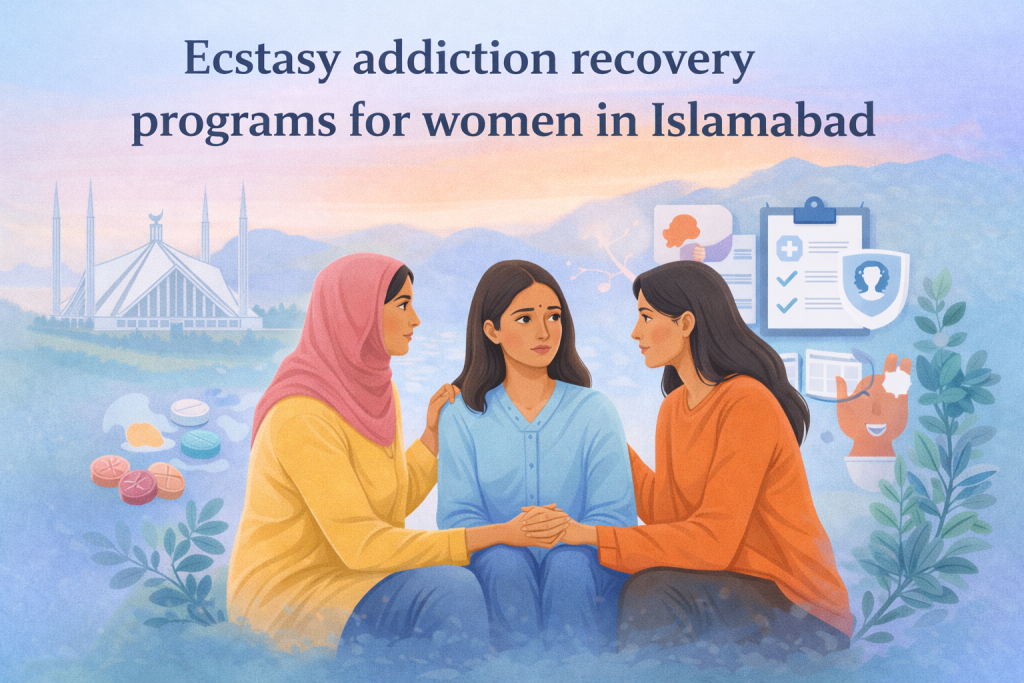
Substance abuse continues to affect families and communities across Pakistan, and women often face unique challenges when seeking help. In recent years, concerns surrounding MDMA or ecstasy use have increased, particularly among young adults. Strengthening Ecstasy addiction awareness in Islamabad Pakistan is essential to help women understand the risks, recognize early warning signs, and access appropriate treatment options.
At New Hope Women Rehab Center Islamabad, the focus is on providing ethical, evidence-based care within a safe and supportive environment. This article explores ecstasy addiction recovery programs for women in Islamabad, highlights the importance of community education, and explains how structured rehabilitation can support long-term well-being.
Understanding Ecstasy Addiction in Women
Ecstasy, also known as MDMA, is a synthetic drug that affects mood and perception. It is often associated with social settings due to its temporary effects of increased energy, emotional warmth, and heightened sensory awareness. However, repeated use can lead to dependency and serious health risks.
Women may experience substance use disorders differently than men. Biological, psychological, and social factors all play a role. Hormonal changes, higher rates of anxiety or depression, trauma history, and social stigma can make addiction more complex for women.
Common short-term effects of ecstasy use include:
-
Increased heart rate and blood pressure
-
Dehydration and overheating
-
Anxiety or panic attacks
-
Impaired judgment
Long-term use may contribute to:
-
Memory problems
-
Mood disorders
-
Sleep disturbances
-
Increased risk of substance dependence
Promoting Ecstasy addiction awareness in Islamabad Pakistan helps families and communities understand these risks and encourages early intervention.
The Importance of Gender-Specific Recovery Programs
Women-centered addiction recovery programs are designed to address the specific needs and experiences of female patients. In many cases, women delay seeking help due to fear of judgment, family responsibilities, or lack of safe treatment spaces.
A gender-specific program offers:
-
A secure and confidential environment
-
Trauma-informed care
-
Mental health support tailored to women
-
Peer support from other women in recovery
At New Hope Women Rehab Center Islamabad, treatment plans are developed with sensitivity to emotional well-being, family dynamics, and social pressures. This structured approach supports recovery while respecting dignity and privacy.
Core Components of Ecstasy Addiction Recovery Programs
Effective ecstasy addiction treatment involves multiple stages. Recovery is not a single event but a gradual process supported by professional care and community understanding.
1. Assessment and Individualized Treatment Planning
Every recovery journey begins with a comprehensive assessment. Medical professionals evaluate physical health, mental health conditions, and the severity of substance use. This helps create a personalized treatment plan aligned with the patient’s needs.
2. Medical Detoxification Support
Although ecstasy withdrawal may not always produce severe physical symptoms compared to other substances, psychological symptoms such as depression, fatigue, and irritability can be significant. Supervised detox ensures safety and comfort during this phase.
3. Behavioral Therapy and Counseling
Evidence-based therapies are central to recovery. These may include:
-
Cognitive Behavioral Therapy (CBT)
-
Individual counseling
-
Group therapy sessions
-
Family counseling
Therapy helps individuals identify triggers, build coping strategies, and address underlying mental health concerns such as anxiety or trauma.
4. Mental Health and Dual Diagnosis Care
Substance use and mental health disorders often coexist. Integrated treatment ensures that both conditions are addressed simultaneously. This approach improves emotional stability and reduces relapse risk.
5. Aftercare and Relapse Prevention
Sustainable recovery requires ongoing support. Aftercare programs may include continued counseling, support groups, and structured follow-ups. These services reinforce coping skills and encourage long-term sobriety.
By combining these components, recovery programs strengthen both physical and emotional resilience.
Building Ecstasy Addiction Awareness in Islamabad Pakistan
Prevention and awareness are as important as treatment. Strengthening Ecstasy addiction awareness in Islamabad Pakistan can reduce stigma and encourage earlier support-seeking behavior.
Community-based strategies include:
-
Educational workshops for parents and students
-
School awareness programs about MDMA risks
-
Mental health awareness campaigns
-
Open discussions about substance abuse prevention
Women benefit significantly when communities foster safe spaces for dialogue. Awareness reduces misinformation and helps individuals recognize that addiction is a health condition requiring professional care.
Early Warning Signs Families Should Recognize
Family members are often the first to notice behavioral changes. Recognizing early signs of ecstasy misuse can lead to timely intervention.
Common indicators include:
-
Sudden mood swings or irritability
-
Sleep disturbances
-
Loss of interest in daily activities
-
Financial or social problems
-
Secretive behavior
If these signs are observed, consulting a professional rehabilitation center can provide clarity and guidance. Early support increases the likelihood of successful recovery.
The Role of Family in Women’s Recovery
Family involvement can positively influence treatment outcomes. Women may face additional pressures related to caregiving roles or social expectations. A supportive family environment can reduce feelings of shame and isolation.
Family counseling sessions often focus on:
-
Improving communication
-
Understanding addiction as a medical condition
-
Establishing healthy boundaries
-
Creating a supportive home environment
At New Hope Women Rehab Center Islamabad, family engagement is encouraged in a balanced and respectful manner to promote holistic healing.
Addressing Stigma and Encouraging Help-Seeking
One of the major barriers to addiction treatment is stigma. Women may fear judgment or discrimination if they admit to substance use. This can delay treatment and increase health risks.
Promoting Ecstasy addiction awareness in Islamabad Pakistan helps shift public perception from blame to understanding. Education reinforces that addiction is not a moral failing but a complex health issue influenced by biological and psychological factors.
Encouraging open dialogue within communities, workplaces, and educational institutions fosters a culture of compassion and support.
A Safe Environment for Recovery
A structured and secure environment plays a critical role in rehabilitation. Women benefit from spaces where they feel emotionally and physically safe. A well-designed rehabilitation center provides:
-
Professional medical supervision
-
Confidentiality and privacy
-
Clean and supportive living conditions
-
Structured daily routines
These elements contribute to stability and focus during treatment, allowing individuals to concentrate on healing.
Frequently Asked Questions (FAQs)
1. What are the first signs of ecstasy addiction in women?
Early signs may include mood changes, sleep problems, withdrawal from family, anxiety, and declining performance at work or school. Recognizing these symptoms early supports timely intervention.
2. Is professional treatment necessary for ecstasy addiction?
While some individuals attempt to stop independently, professional guidance ensures safe detoxification, psychological support, and relapse prevention strategies tailored to individual needs.
3. How long do ecstasy recovery programs usually last?
The duration varies depending on the severity of addiction and personal health factors. Programs may range from several weeks to a few months, followed by ongoing aftercare.
4. Why are women-specific rehab programs important?
Women often face unique emotional, social, and health challenges. Gender-specific programs provide targeted mental health support, trauma-informed care, and a secure recovery environment.
5. How does Ecstasy addiction awareness in Islamabad Pakistan help prevention?
Awareness campaigns educate communities about risks, early warning signs, and available support services. This reduces stigma and encourages individuals to seek help before addiction becomes severe.
Conclusion
Ecstasy addiction is a growing concern that requires informed, compassionate, and structured responses. Women may experience additional barriers to treatment, making specialized recovery programs especially important. By strengthening Ecstasy addiction awareness in Islamabad Pakistan, communities can promote early intervention, reduce stigma, and support healthier outcomes.
Through comprehensive care, ethical practices, and a focus on mental well-being, New Hope Women Rehab Center Islamabad contributes to creating a safer and more supportive environment for women seeking recovery. With community awareness and professional guidance working together, sustainable healing becomes an achievable goal.