Drug and alcohol addiction continues to be a significant public health concern, affecting individuals, families, and communities across Pakistan. Substance dependence can impact physical health, mental well-being, relationships, education, and professional life. Recovery is possible with timely intervention, professional care, and a supportive environment. Seeking help from a trusted Drug and Alcohol Addiction Treatment in Islamabad, Pakistan provider can be an important step toward rebuilding a healthier future.
At New Hope Women Rehab Center Islamabad, treatment is delivered through ethical, evidence-based, and compassionate care tailored to the unique needs of women. This article explores the causes, effects, treatment approaches, and recovery support available for individuals struggling with drug and alcohol addiction.
Understanding Drug and Alcohol Addiction
Drug and alcohol addiction, also known as substance use disorder, is a chronic condition characterized by the inability to control the use of substances despite harmful consequences. Addiction affects brain function, decision-making abilities, emotional regulation, and behavior.
Common substances associated with addiction include:
- Alcohol
- Prescription medications
- Opioids
- Methamphetamine (Ice)
- Cannabis
- Sedatives and tranquilizers
- Synthetic drugs
Over time, substance use can develop into physical and psychological dependence, making it difficult to stop without professional support.
A structured Drug and Alcohol Addiction Treatment in Islamabad, Pakistan program addresses both the physical and emotional aspects of addiction.
Common Causes of Drug and Alcohol Addiction
Addiction is often influenced by multiple factors rather than a single cause. Understanding these factors can help individuals and families recognize risks and seek help early.
Some common contributing factors include:
Mental Health Challenges
Conditions such as anxiety, depression, trauma, and stress may increase the likelihood of substance use.
Social and Environmental Influences
Peer pressure, social environments, and exposure to substance use can contribute to addiction.
Family History
Genetic and family-related factors may increase vulnerability to substance dependence.
Emotional Difficulties
Many individuals turn to drugs or alcohol as a way to cope with emotional pain, relationship problems, or life stressors.
At New Hope Women Rehab Center Islamabad, treatment plans focus on identifying these underlying factors to support sustainable recovery.
Signs and Symptoms of Addiction
Recognizing the warning signs of addiction is essential for early intervention.
Behavioral Signs
- Loss of interest in daily activities
- Increased secrecy
- Neglecting responsibilities
- Financial difficulties related to substance use
- Social withdrawal
Physical Signs
- Changes in sleep patterns
- Weight fluctuations
- Fatigue
- Poor personal hygiene
- Physical health decline
Emotional Signs
- Mood swings
- Irritability
- Anxiety
- Depression
- Difficulty concentrating
A professional Drug and Alcohol Addiction Treatment in Islamabad, Pakistan center can conduct assessments to determine the severity of substance dependence and recommend appropriate care.
Health Effects of Drug and Alcohol Addiction
Long-term substance use can impact nearly every aspect of a person’s health.
Physical Health Risks
Drug and alcohol addiction may contribute to:
- Liver damage
- Cardiovascular problems
- Respiratory issues
- Weakened immune function
- Neurological complications
Mental Health Consequences
Substance use disorders are frequently linked to:
- Depression
- Anxiety disorders
- Panic attacks
- Trauma-related symptoms
- Cognitive difficulties
Integrated treatment approaches help address both addiction and mental health concerns simultaneously.
The Importance of Professional Treatment

Recovery from addiction often requires more than willpower alone. Professional treatment provides structure, medical supervision, and therapeutic support.
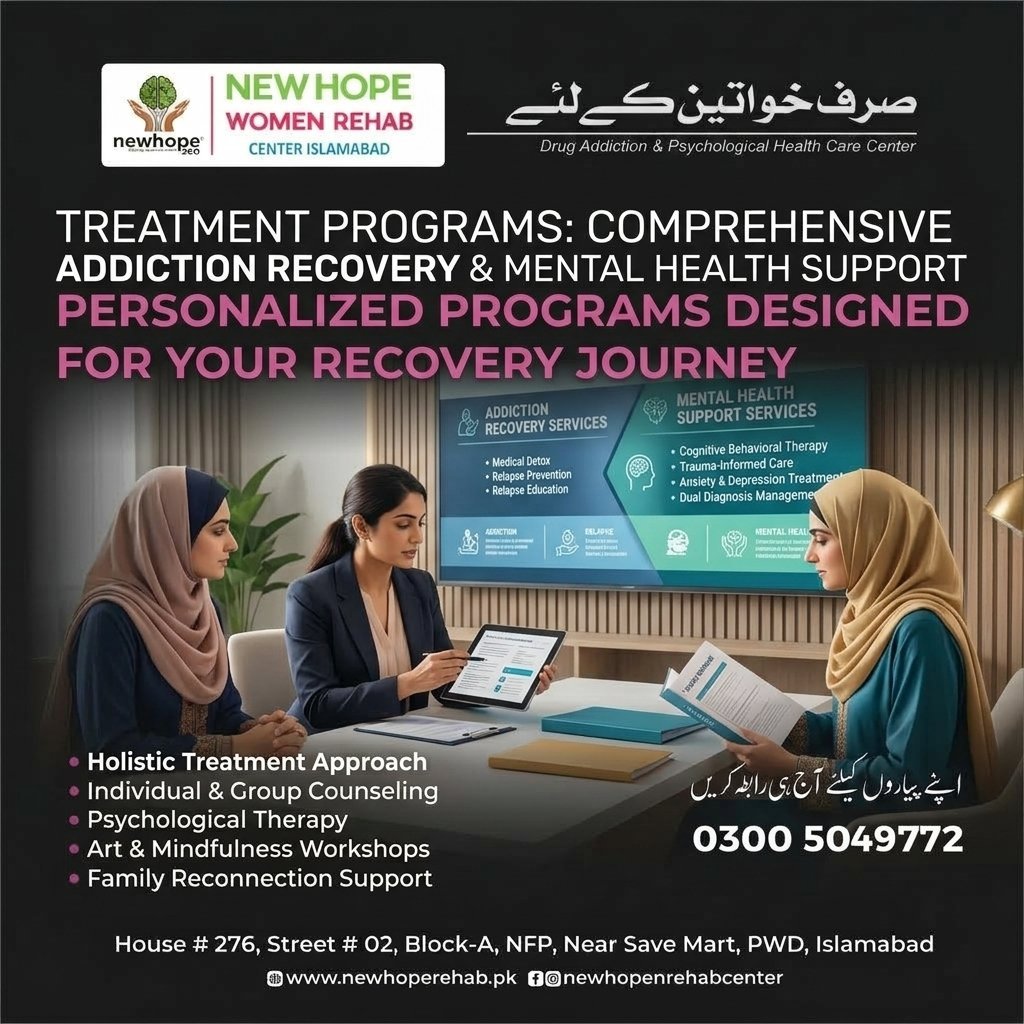
A quality Drug and Alcohol Addiction Treatment in Islamabad, Pakistan program typically includes:
Comprehensive Assessment
A detailed evaluation helps identify physical, emotional, and psychological needs.
Detoxification Support
Detoxification allows the body to eliminate harmful substances while managing withdrawal symptoms safely.
Individual Counseling
One-on-one therapy helps individuals explore personal challenges and recovery goals.
Group Therapy
Group sessions encourage peer support, shared experiences, and accountability.
Relapse Prevention Planning
Patients learn practical skills to manage triggers and maintain recovery.
At New Hope Women Rehab Center Islamabad, these elements are integrated into personalized treatment plans.
Why Women Need Specialized Addiction Treatment
Women often experience addiction differently from men. Social stigma, family responsibilities, emotional trauma, and mental health challenges can create unique barriers to seeking help.
A women-focused rehabilitation center offers:
- A safe and confidential environment
- Trauma-informed care
- Gender-sensitive counseling
- Emotional support tailored to women
- Peer support networks
At New Hope Women Rehab Center Islamabad, treatment programs are specifically designed to address the unique experiences and needs of women in recovery.
Mental Health and Addiction Recovery
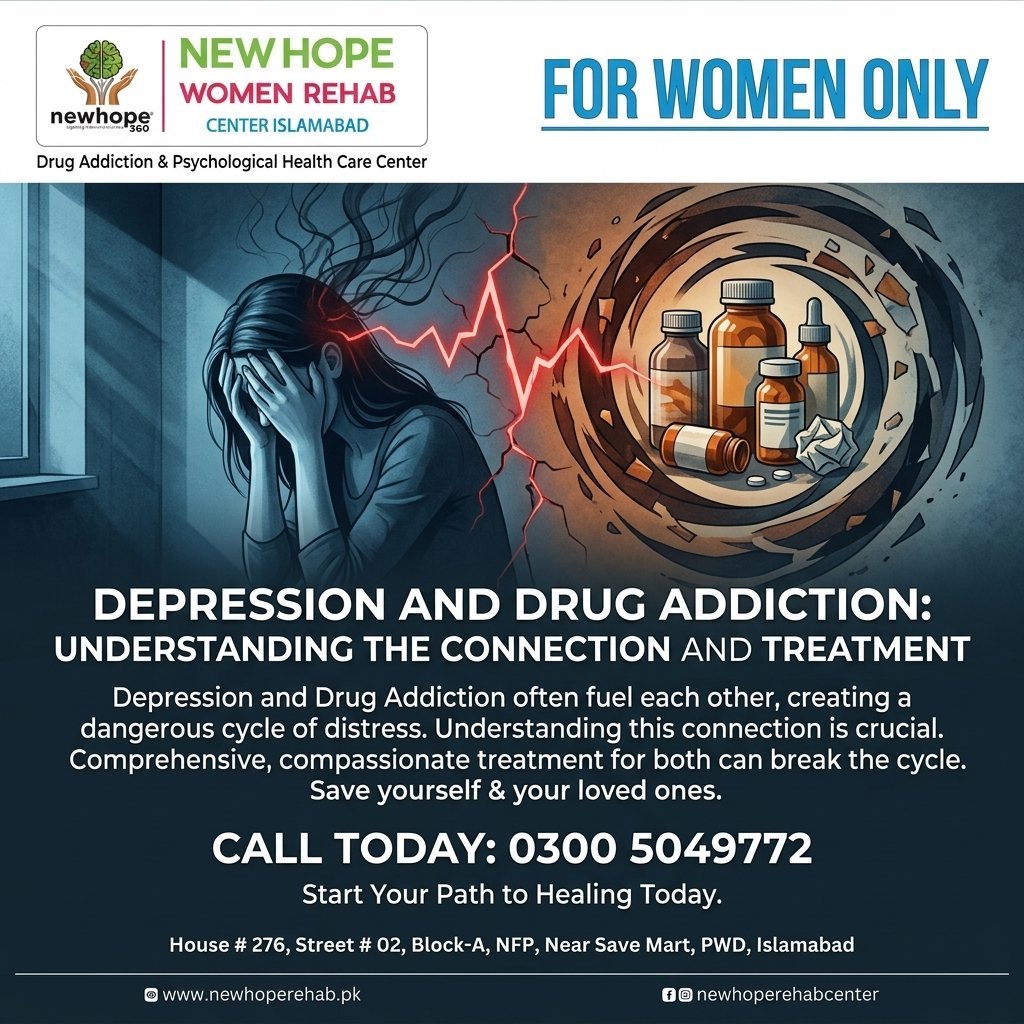
Mental health plays a crucial role in addiction treatment. Many individuals use substances to cope with emotional distress, making it important to address both issues together.
Common therapeutic approaches include:
Cognitive Behavioral Therapy (CBT)
CBT helps patients identify negative thought patterns and replace them with healthier behaviors.
Stress Management Techniques
Patients learn practical methods for handling stress without relying on substances.
Emotional Regulation Skills
These skills help individuals respond to difficult emotions in healthier ways.
A comprehensive Drug and Alcohol Addiction Treatment in Islamabad, Pakistan program emphasizes emotional well-being alongside physical recovery.
Family Support in Recovery
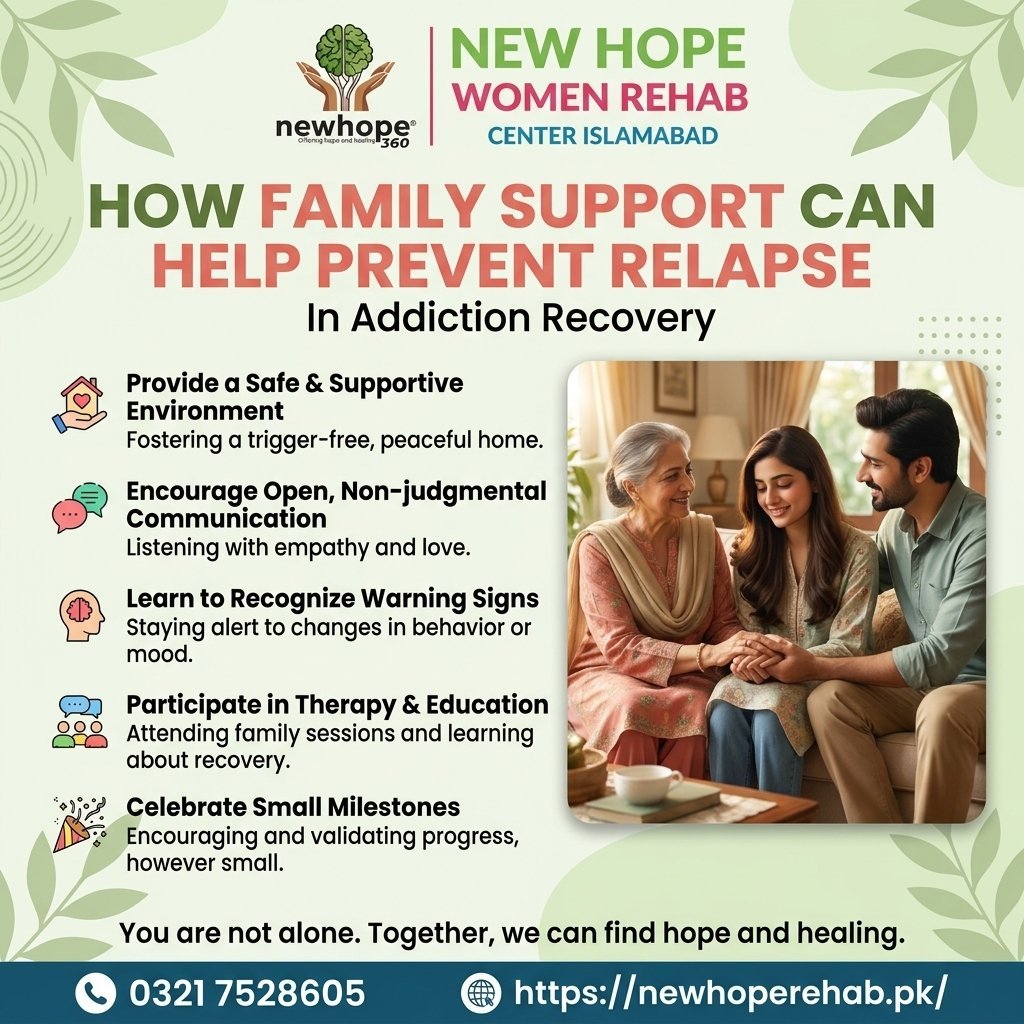
Addiction affects entire families, not just the individual. Family involvement can improve communication, rebuild trust, and create a stronger support system.
Family-focused services may include:
- Family counseling sessions
- Addiction education
- Communication training
- Relapse prevention guidance
At New Hope Women Rehab Center Islamabad, family participation is encouraged whenever appropriate and beneficial.
Building a Foundation for Long-Term Recovery
Long-term recovery involves more than stopping substance use. It requires building a healthier lifestyle and developing positive habits.
Key recovery strategies include:
- Maintaining structured daily routines
- Continuing therapy and support groups
- Practicing self-care
- Building healthy relationships
- Managing stress effectively
These strategies help individuals maintain stability and reduce relapse risks.
Frequently Asked Questions (FAQs)
1. What is the difference between drug addiction and alcohol addiction?
Both involve dependence on substances, but they may affect the body and brain differently. Treatment plans are tailored to the specific substance and individual needs.
2. How long does addiction treatment usually take?
Treatment duration varies depending on the severity of addiction, personal circumstances, and recovery goals. Some individuals benefit from several weeks of treatment, while others may require longer support.
3. Why is professional treatment important?
Professional treatment provides medical supervision, counseling, relapse prevention strategies, and emotional support that may not be available through self-directed recovery efforts.
4. Can mental health issues contribute to addiction?
Yes. Conditions such as anxiety, depression, and trauma often coexist with substance use disorders and should be addressed during treatment.
5. How does a Drug and Alcohol Addiction Treatment in Islamabad, Pakistan program support recovery?
These programs provide structured care, detoxification support, therapy, mental health services, family involvement, and relapse prevention planning.
Conclusion
Drug and alcohol addiction can affect every aspect of an individual’s life, but recovery is possible with professional support and compassionate care. Effective treatment addresses not only substance use but also the emotional, psychological, and social factors that contribute to addiction.
At New Hope Women Rehab Center Islamabad, recovery is approached through evidence-based treatment, mental health support, and a safe environment designed specifically for women. As a trusted provider of Drug and Alcohol Addiction Treatment in Islamabad, Pakistan, the center remains committed to helping individuals develop healthier coping strategies, strengthen emotional resilience, and work toward long-term well-being.