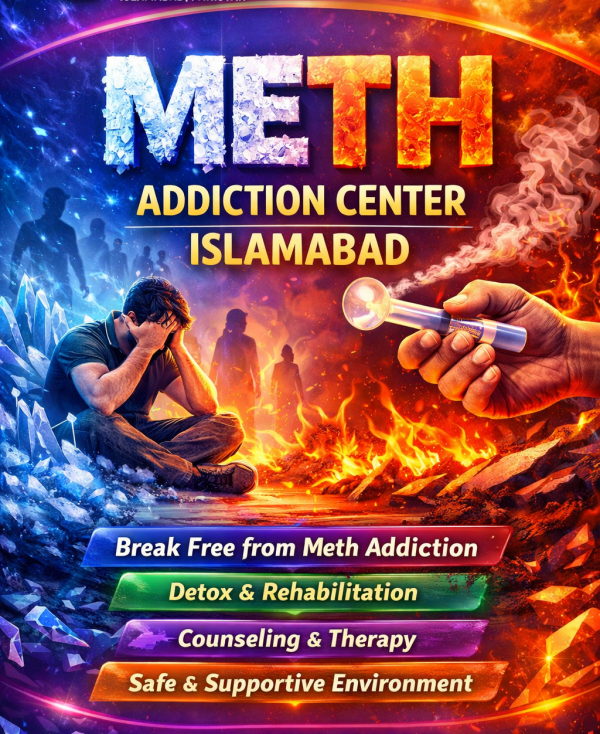

In the fight against crippling food addiction, intensive treatment changes lives. At New Hope Women Rehab Centre Islamabad, compulsive overeat and emotional eaters can find science-based treatment tailored to them. This article delves into the leading medical and psychological treatments in use today, explaining why New Hope is consistently rated as the best addiction treatment center for women craving change, restoration and sustained recovery from drugs or alcohol.
Understanding Severe Food Addiction
Food addiction is not just being greedy; it’s a chronic disorder that affects the brain, body and emotions. A lot of women suffer from intense cravings, not being able to stop when full, feeling guilty after eating and having numerous unsuccessful attempts at gaining mastery over their food relationship. At New Hope Women Rehab Centre Islamabad, they take it seriously for what it really is: a complex addiction that demands professional treatment.
Biological and Neurological Factors
There are similar brain patterns between food addiction and drug addictions. Highly processed foods tend to elicit very high levels of dopamine and thus a system in the brain that has difficulty being shut off because the pleasure-reward is so intensely strong. Eventually, the brain gets used to all that food, she says, and it demands even more food in order to get the same amount of satisfaction. This biological rhythm is implicated in compulsive eating habits.
Emotional and Environmental Triggers
Many of my clients have used food, specifically sugar and flour, to self-medicate in response to stress, trauma, experiences from childhoods and histories or low esteem and negative environments. Food becomes a source of comfort rather than a basic necessity for many women. Because in failing to identify these emotional roots, healing is only half done.
Why New Hope Women Rehab Centre Islamabad is Best F or Food Addiction Treatment
New Hope is one of the best treatment centers as its programs are solely dedicated to the health and wellness of women, providing for their mental, physical and emotional needs. The center combines evidence-based treatments with nurturing regard in a transformative healing experience.
Gender-Sensitive and Personalized Care
Women and men experience addiction differently, particularly when food is an issue. Hormone cycles, body image challenges, trauma experiences and social pressures are some of the factors that make addressing food addiction so tricky. The New Hope team customizes each plan of action and provides tailored support.
Integrative Healing Environment
A non-judgmental and secure environment where women can address their struggles. All of this supportive environment gives the survivor confidence, trust and recovery is strength.
Treatments for Severe Food Addiction
At New Hope technology blends with healthcare to bring in precision and safety right from the diagnostic process through recovery.
Comprehensive Medical Assessment
Healing gets started with a thorough examination of both physical and emotional health. Physicians evaluate nutritional deficiencies, hormonal imbalances, metabolic problems and patterns of disordered eating.
Evidence-Based Treatment for Food Addiction
Not all individuals will require medication, but some may find it helpful if they struggle with a loss of appetite control, an inability to overcome an urge, or mood swings. The tools are used responsibly and with medical oversight.
Nutritional Rehabilitation Programs
When you’re healthy is when a good relationship with food is built again. New Hope’s nutritionists develop personalized meal plans that eliminate destructive habits, re-establish healthful eating and empower patients to embrace food.
World’s Best Practices Psychosocial Interventions
A good therapy is the bedrock of long ride recovery. New Hope provides evidence based psychological treatments with global credentials for the treatment of food addiction.
Cognitive Behavioral Therapy (CBT)
CBT teaches women a connection between their thoughts, feelings, and behaviors. It recognizes destructive thinking patterns — such as guilt, shame or perfectionism — and helps replace them with healthier perspectives.
Dialectical Behavioral Therapy (DBT)
central to DBT are emotional regulation, distress tolerance, and mindfulness. It’s particularly powerful for those whose food addiction is associated with intense feelings or trauma.
Motivational Interviewing (MI)
MI gradually directs women into a deeper self-motivation, and helps them internalize the wish to recover and change.
Trauma-Informed Therapy for Women
Many women with food addiction have had emotional or physical trauma in their lives. Therapy that is trauma-informed allows them to process these experiences without being retraumatized and enables them to restore emotional resilience.
Social Support and Group-Based Interventions
Recovery is community oriented.
Support Groups and Accountability Mechanisms.
Group therapy fosters a sense of belonging and combats feelings of isolation. Women learn from the paths of others, they share experiences and become encouraged.
Family Counseling and Education
Families often misunderstand food addiction. In counseling, family members are educated on how to best assist the recovery process without perpetuating problem behaviors; ways to avoid inadvertently triggering unhealthy habits and routines; methods for re-establishing healthy lines of communication based on understanding rather than emotional reactions.
Lifestyle and behavioral modification interventions
Daily habits need to change in order to remain safely free.
Mindfulness-Based Eating Strategies
Through Mindfulness, women learn to listen to their bodies, understand when they are hungry and avoid emotional eating.
Structured Daily Routines
A predictable routine helps to minimize fear and build emotional security, which are exactly what we need for long-term growth.
Reintegration Planning at New Hope Women Rehab Centre
New Hope guarantees that recovery is in play long after the program is completed.
Relapse Prevention Strategies
Patients are taught how to deal with cravings, stay away from triggers, and gain confidence in their ability to focus on the gains they’ve made.
Continued Outpatient Support
Continuing care is what keeps women in the loop and responsible, so to speak, minimizing their chances of relapse.
Severe Food Addiction and Treatment FAQs
Q1: What makes New Hope Women Rehab Centre Islamabad the top addiction treatment facility in Islamabad?
Its women-centered model, its scientific therapies, and individualized plans for healing.
Q2: Is food addiction treated in the same way as substance addiction?
Yes. It is about medical evaluation, psychological therapies and ongoing support.
Q3: Is it possible to cure severe food addiction?
It can be well controlled with regular treatment and change of life.
Q4: What is the time frame of the recovery?
The length of each woman’s journey may vary, but structured programs generally extend from a few weeks to several months.
Q5: When is medical treatment necessary?
Not always. Treatment is catering to the individual’s physical and emotional needs.
Q6: Can therapy help with emotions and eating?
Absolutely. Modalities such as CBT or DBT are hugely effective when it comes to emotional eating patterns.
Conclusion
Admission Now in New Hope Women Rehab Centre Islamabad New Hope Girls Rehab is one of the best food addiction treatment programs available in Pakistan. With its multi-disciplinary medical, psychological and life-style partnership, the Center gives women the tools they need to regain their health, confidence and independence. With its science-based treatments and full-care facility, it is still the finest addiction treatment centre for women in Islamabad who want to achieve long-term recovery and hope.
To see more about food addiction research, you can check out the work of established bodies like the National Institute on Drug Abuse.