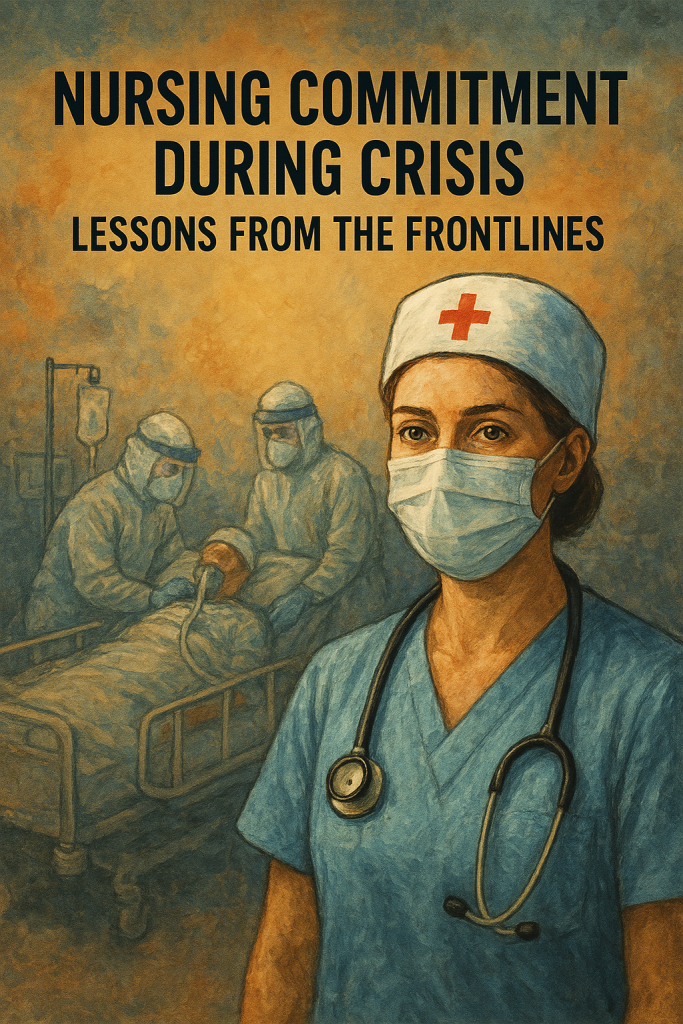
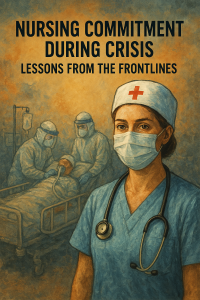
During crises, the role of nurses is much more than providing routine patient care; it becomes an endeavor on compassion, strength and perseverance. At New Hope Women Rehab Center Islamabad, our dedication to healing the mind, body, and spirit becomes evident as we celebrate moments of inspiration and uplift when women receiving nursing care at their most vulnerable stage in life. In this paper we examine what these lessons have been from the coalface of nursing, how they then inform care in an Addiction Treatment Centre at Islamabad.
The Important Work of Nursing in a Crisis
As the cornerstone of health systems, regarding also crisis situations (medical emergencies, natural disasters, epidemics etc.) stands nursing. In addiction treatment, a crisis is not exclusively about acute physical states but can also be about psychological and emotional states. Nurses working in an Addiction and Treatment Centre, Islamabad are providing key services to women in terms of overseeing the physical health of patients, implementing prompt interventions and offering emotional support for the women who are on their difficult road to recovery.
In a crisis, nurses have to weigh clinical knowledge against empathy. This two-pronged approach ensures patients get the technical care they require, as well as the human component so essential to healing. Coolness in the face of danger, forethought, and promptness characterize superior nursing service in times of crisis.
Lessons from the Frontlines: Resiliency and Flexibility
Frontline nursing in facilities for treating addiction offers lessons on resilience. On any given day, nurses face numerous incidents that are not easily predicted— a patient is withdrawing, having an emotional meltdown, or waking up from anesthesia. Resource and resilience in the face of adversity is key.
In our nursing department at New Hope Women Rehab Center Islamabad, we undergo training on how to respond and manage a crisis. This training incorporates real life scenarios, stress reduction exercises and circumstance based practice specifically related to addiction recovery. Such experiences not only develop technical expertise, but also contribute to emotional hardiness, which enables nurses to exhibit a high level of dedication even in stressful conditions.
A Pillar of Nursing Commitment: Being Empathetic
The vulnerabilities of some patients with addiction are heightened in crisis situations. Nurses do more than provide medicine — they bring stability, empathy and optimism. One element to minimize stigma is empathy, which enables nurses to relate with patients as human beings, acknowledge their challenges and promote involvement in recovery.
Nurses who work in Addiction Treatment in Islamabad, know one not have to be too soft that it’s taken for granted. They do this by being patient, listening attentively and showing empathy Nurses guide patients through emotional aspects of the recovery process. This human interaction can have a profound impact on treatment success and adherence, as well as patient motivation.
Communication: The Lifeline During Crises
Clear communication is key at any time of crisis. Nurses are the lynch-pins, between patients and families, alongside multifaceted care teams. They provide vital information about the patient’s condition, treatment changes and possible hazards which allows for better coordinated response times.
At New Hope Women Rehab Center Islamabad, we focus on clear, kindly and accurate communication. In the context of addiction treatment, when patients are confused, scared or resistant, good communication can help reduce anxiety and build trust. Nurses educated in crisis communication can help diffuse an intense situation, reassure a patient and help someone navigate through a very dangerous space.
Continuous Learning and Professional Development
Crises demonstrate the dynamic nature of healthcare problems. Nurses at the front lines are literally life-saving right now and must engage in constant learning to keep abreast of the best options, new treatments, and ways to handle a crisis.
We are also giving top priority for Reisen Training of the available nursing staff in our Addiction Treatment Center in Islamabad. Workshops, seminars and joint training keep our nurses up-to-date with the latest addiction medicine, mental health support, and crisis intervention industry information. The value of this commitment to lifelong learning is its role in aiding better quality patient care and outcomes in cases of crisis.
Teamwork and Collaborative Care
Nurses don’t work alone — not in a crisis, anyway. Good teamwork is necessary to ensure complete patient care. Nurses partner with doctors, therapists and social workers to deliver comprehensive care that best meets each patient’s individual needs.
At New Hope Women Rehab Center Islamabad, it is a team’s effort and all patients care equally for usPSYCHOLOGICAL THERAPIST. In the treatment of addiction, that involves addressing physical health, mental health and social return all at once. Nurses are typically the central figure in this collaboration, representing the patient’s interest and tracking advancement as well as fostering communication between all team members.
Self-Care and Preventing Burnout
Nurses physically and emotionally experience great demand during crises. Without sufficient self-care, burnout may also undermine personal health and patient care.
Our Addiction Treatment Centre in Islamabad understands the importance of providing support to nursing staff through wellness programs, counselling and stress management training. Nurturing a work-life balance in nurses helps to keep the staff prepared, awake and compassionate during continued disasters. A strong nursing workforce is essential to providing quality care in addiction treatment programs.
Life Lessons: Dispatches from the Frontlines
Nurses working on the front line consistently confront scenes that alter their perception of what it means to be dedicated. From consoling a patient entering severe withdrawal to soothing a mother in tumultuous resurgence, these examples illustrate the far-reaching impact of nursing action. Every challenge is a reminder of the importance of patience, compassion and expertise.
The New Hope Women Rehab Center Islamabad creates a learning environment through documenting and reflecting on these experiences. Sharing the lessons learned on the front lines is how new nurses gain street-level skills in our Cancer Treatment Center and how the quality of care across our Addiction Treatment Center builds.
FAQs
1. What do nurses do during a disaster in addiction treatment facilities?
In addiction treatment centers, nurses are essential in times of crisis as they observe their patients’ physical and emotional well-being, engage interventions and give support. Their knowledge and skills help patients to navigate withdrawal, emotions and medically dangerous situations.
2. What is the contribution of empathy to nursing care in crisis?
Compassion is often a synonym for empathy, which enables nurses to feel deeply with patients and appreciate their challenges. In addiction therapy, caring with empathy helps create trust and enhance patient engagement and recovery.
3. What can be learned about frontline nursing from addiction recovery?
Nursing on the front line educates you about resilience, adaptability, teamwork and communication. Nurses develop the skill to mediate unexpected situations, support patients’ needs and work within a health care team in order to cover all aspects of patient care.
4. How do treatment centers for addiction help nurses in a crisis?
There are centers like New Hope Women Rehab Center Islamabad that offer industrial training, crisis management training and wellness programs along with counseling. These efforts keep burnout at bay and promote the provision of excellent, caring nursing care.
5. Why is continuous learning important for nurses in addiction treatment?
Constant education also allows nurses to stay updated on best practices as well as new treatments and crisis intervention techniques. This information will promote patient safety, appropriate care, and provide the nurse with the tools to reinforce managing the complex nature in addiction recovery.
Conclusion: The Core of Nursing Dedication
Nursing commitment in the face of crisis is not just about technical ability—it’s courage, empathy and resilience personified. Our nurses reflect all of theses describe qualities for a patient care with reassurance through compassion, wholistic atitude and professionalism at New Hope Women Rehab Center Islamabad.
An Addiction Treatment Center in Islamabad can never avoid crises, but it’s also an opportunity to learn and grow together with the crisis patient-nurse relationship strengthening. What we learn in the trenches is that nursing is an art and a science, and it’s through perseverance and passion that real healing takes place.
Our center has long been at the forefront of nursing by investing in frontline nurses, promoting empathy and valuing life-long learning. Every adversity we encounter and every patient we help only reinforces our resolve to provide women in Islamabad and beyond with a safe, empathetic, highly-effective environment for overcoming addiction.