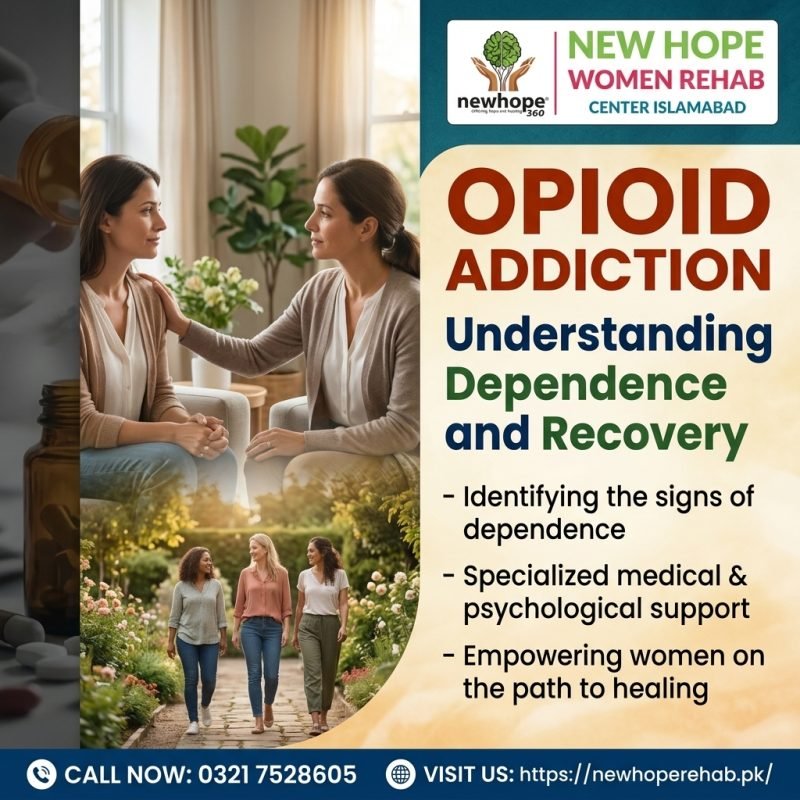
Opioid addiction is a serious health concern that can affect a person’s physical health, emotional well-being, relationships, and everyday life. Opioids are medications and substances that act on opioid receptors in the brain to relieve pain. Some opioids are prescribed by healthcare professionals, while others may be obtained illegally. Although these substances can have legitimate medical uses, repeated use can sometimes lead to dependence, addiction, and serious health risks.
Understanding opioid addiction is an important step toward recognizing its warning signs and seeking appropriate treatment. With medical care, counseling, and ongoing support, people experiencing opioid-related problems can work toward recovery and improve their quality of life.
At New Hope Women Rehab Center Islamabad, awareness of addiction, emotional well-being, and supportive recovery environments is important for helping women understand their treatment options and seek help without unnecessary stigma.
What Is Opioid Addiction?
Opioid addiction, clinically described as opioid use disorder, is a health condition involving a pattern of opioid use that becomes difficult to control and continues despite harmful consequences. A person may experience strong cravings, struggle to reduce use, or continue taking opioids even when they affect health, relationships, work, or daily responsibilities.
Common opioids include morphine, oxycodone, codeine, and fentanyl. Heroin is an illegal opioid in many countries, including Pakistan. The risks associated with opioids vary depending on the substance, dose, method of use, other medications, and a person’s health.
Opioid addiction is not simply a lack of willpower. It involves changes in brain processes related to pain, reward, motivation, and self-control. Compassionate, evidence-based treatment can help address these challenges.
Understanding Opioid Dependence
Opioid dependence and opioid addiction are related, but they are not the same thing.
Physical dependence occurs when the body adapts to repeated opioid exposure. If the substance is reduced or stopped, withdrawal symptoms may develop. Physical dependence can occur even when someone takes a medication as prescribed.
Opioid addiction, or opioid use disorder, involves a broader pattern of problematic use, such as impaired control, cravings, and continued use despite significant harm.
This distinction matters because experiencing withdrawal does not automatically mean a person has an addiction. A qualified healthcare professional can assess symptoms, substance use patterns, and individual circumstances to determine the appropriate care.
Common Causes and Risk Factors of Opioid Addiction
There is no single cause of opioid addiction. A combination of biological, psychological, and environmental factors may contribute.
1. Repeated Opioid Use
Repeated exposure can lead to tolerance, meaning a person may experience less effect from the same amount of a substance. Some people then take more in an attempt to achieve the previous effect, increasing the risk of dependence and overdose.
2. Prescription Medication Misuse
Taking opioids in a way that differs from medical instructions, using another person’s prescription, or continuing use without appropriate medical review can increase the risk of harm. Anyone concerned about opioid medication should discuss their options with a qualified healthcare professional.
3. Stress and Emotional Distress
Some individuals use substances to cope with grief, anxiety, trauma, depression, or other difficult emotions. Opioids may temporarily change how a person feels, but they do not resolve the underlying problem and may create additional challenges over time.
4. Family History and Environmental Influences
Family history, exposure to substance use, social pressures, and limited access to healthcare may contribute to vulnerability. These factors do not determine a person’s future, but they can influence the need for prevention, support, and treatment.
Signs and Symptoms of Opioid Addiction
Recognizing potential warning signs can help families and individuals seek assistance earlier. Symptoms differ from person to person, but may include:
- Strong cravings or persistent thoughts about opioids.
- Difficulty reducing or controlling use.
- Spending substantial time obtaining, using, or recovering from opioids.
- Continuing use despite problems at home, work, or school.
- Neglecting important responsibilities or activities.
- Developing tolerance or experiencing withdrawal symptoms.
- Using opioids in risky situations.
These signs should not be used to label or shame someone. A professional assessment can help clarify what is happening and identify suitable treatment options.
Health Risks Associated With Opioid Use
Opioids can cause drowsiness, constipation, nausea, and impaired coordination. More seriously, they can slow breathing, potentially causing an overdose that may be fatal.
Combining opioids with alcohol, benzodiazepines, sleeping pills, or other sedating substances can significantly increase the risk of dangerous breathing problems. Taking an unknown substance or an amount stronger than expected can also be hazardous.
Possible signs of an opioid overdose include very slow or absent breathing, inability to wake the person, and unusually small pupils. An opioid overdose is a medical emergency. Call local emergency services immediately. If naloxone is available, use it according to its instructions, and follow emergency responders’ guidance. Do not leave the person alone.
Opioid Withdrawal: What to Know
When someone who is physically dependent on opioids reduces or stops taking them, withdrawal may occur. Symptoms can include muscle aches, sweating, restlessness, anxiety, yawning, a runny nose, abdominal cramps, diarrhea, nausea, vomiting, and difficulty sleeping.
Withdrawal can be intensely uncomfortable, and the experience varies depending on the opioid and the person’s health. Medical assessment can help determine how to manage symptoms safely and whether additional treatment is needed.
It is important not to attempt to manage significant opioid dependence entirely alone. After a period without opioids, tolerance may fall, making a return to a previously used amount especially dangerous. Medical guidance can help reduce these risks.
Opioid Addiction Treatment and Recovery
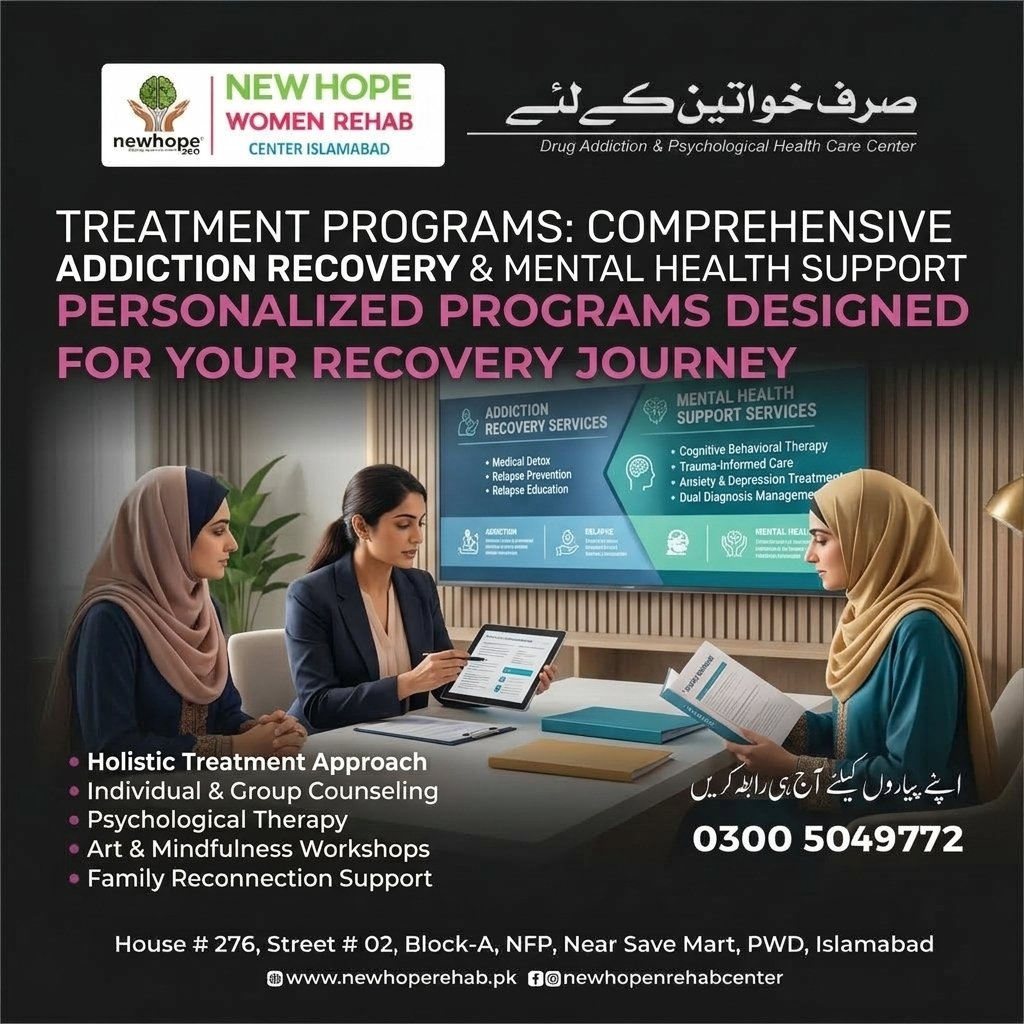
Effective treatment is individualized. A healthcare professional may recommend a combination of medication, counseling, medical monitoring, and ongoing support.
1. Medical Assessment and Withdrawal Support
Treatment often begins with an assessment of opioid use, physical health, mental health, medications, and other relevant circumstances. Some individuals may need supervised withdrawal management, while others may benefit from starting longer-term treatment without a separate detoxification period.
Detoxification can address withdrawal, but it is not by itself a complete treatment for opioid use disorder.
2. Medication for Opioid Use Disorder
Evidence-based medications can help reduce cravings, manage withdrawal, and lower the risk of overdose. Depending on the individual’s circumstances and local availability, clinicians may consider medicines such as buprenorphine or methadone. Other options may be suitable for some people after careful assessment.
These treatments should be prescribed and monitored by qualified professionals. Medication is a recognized form of addiction treatment, not a sign of weakness or failure.
3. Counseling and Behavioral Support
Counseling can help individuals identify triggers, manage stress, strengthen coping skills, and address emotional challenges associated with substance use. Behavioral approaches may also support healthier routines, improved decision-making, and long-term recovery planning.
When depression, anxiety, trauma, or another mental health condition is present, coordinated treatment can help address both substance use and psychological well-being.
4. Family Involvement and Aftercare
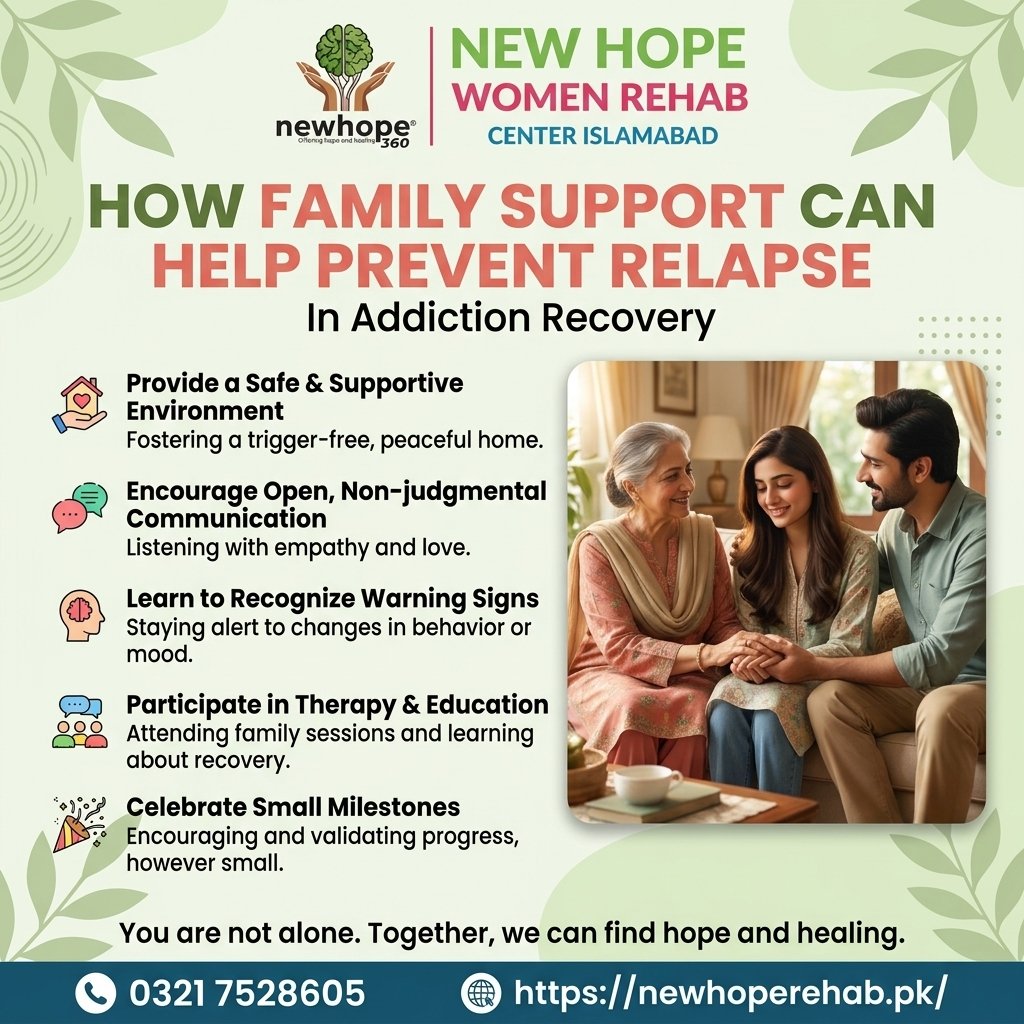
With the person’s consent and when it is safe, family members can help by providing encouragement, supporting treatment attendance, and learning about relapse warning signs. Clear communication and healthy boundaries are important.
Aftercare may include follow-up appointments, continued medication when prescribed, counseling, peer support, and a plan for responding to cravings or setbacks. Ongoing care can be particularly important because opioid use disorder may require long-term management.
Opioid Addiction Treatment for Women in Islamabad
Women experiencing opioid addiction may face additional barriers to treatment, including stigma, concerns about privacy, family responsibilities, trauma, or fear of being judged. A respectful, women-focused environment may help some individuals feel more comfortable discussing their experiences and care needs.
New Hope Women Rehab Center Islamabad is relevant to women and families exploring addiction-related support in Islamabad. When considering any rehabilitation facility, it is important to ask about qualified medical staff, evidence-based opioid treatment, emergency procedures, mental health services, privacy, and continuing care.
The right treatment setting should match the person’s clinical needs and provide clear information about available services. No single program is suitable for everyone, and recovery outcomes cannot be guaranteed.
FAQs
1. What is the difference between opioid dependence and opioid addiction?
Physical dependence means the body has adapted to opioids and may experience withdrawal when they are reduced or stopped. Opioid addiction, or opioid use disorder, involves problematic use, such as cravings, reduced control, and continued use despite harm.
2. Can opioid addiction be treated?
Yes. Treatment can include medications, counseling, medical support, and ongoing recovery services. Many people benefit from long-term care tailored to their circumstances.
3. How long does opioid withdrawal last?
The duration depends on the opioid used, the pattern of use, and individual health. Some symptoms may begin within hours of the last dose, while others can persist longer. A healthcare professional can provide guidance based on the specific situation.
4. Is detoxification enough to recover from opioid addiction?
Usually, detoxification alone is not enough to address opioid use disorder. Continued treatment, including medication when appropriate, counseling, and relapse-prevention support, can help reduce the risk of returning to use and overdose.
5. How can families support someone with opioid addiction?
Families can listen without judgment, encourage professional treatment, help with practical needs when appropriate, and learn to recognize overdose warning signs. They should avoid blame and seek emergency assistance if an overdose is suspected.
Conclusion
Opioid addiction is a complex health condition, but appropriate treatment and continued support can help people move toward recovery. Understanding the difference between physical dependence and addiction, recognizing warning signs, and learning about evidence-based treatment options are important steps in making informed decisions.
Recovery may involve medication, counseling, family support, and long-term follow-up. With compassionate care and an individualized plan, people affected by opioid addiction can work toward improved health, safer choices, and a more stable future. For women seeking support in Islamabad, New Hope Women Rehab Center Islamabad is one option to explore while carefully assessing the medical expertise and services available.