Rehabilitation from addiction is not an easy process and should be painstakingly planned, closely monitored for any medical intervention as well as adequate emotional support. Tapering treatment (gradually weaning off substances under professional supervision) is one of the most secure and regimented strategies used in addiction treatment. The right Female Rehabilitation Center in Islamabad Pakistan can do wonders for women recovering from addiction as it will better enable you to cope with any withdrawal symptoms and ensure that you’re able to heal in the long term.
And at New Hope Women Rehab Centre Islamabad tapering treatment is done with clinical responsibility and compassion. The idea is to allow women an opportunity to safely move from being dependent on physical substances without sacrificing their bodies as well as emotions. In this article, we’ll discuss what tapering treatment is, why it’s important, and how tapering treatment helps sustain recovery.
Understanding Tapering Treatment
Tapering treatment is gradually reducing the dose of a given substance or medication and not stopping it suddenly. Even though the approach is typically employed in addiction rehabilitation programs for drugs that can trigger severe withdrawal effects when stopped suddenly.
The abrupt withdrawal from certain drugs can produce intense physical and psychological responses. Tapering helps the body and brain gradually acclimate to lower levels of the drug, which can minimize discomfort and health risks.
Step down procedure is planned by professional trained healthcare providers in a Female Rehabilitation Center that is providing its services in Islamabad Pakistan. The reduction timetable is contingent on a number of factors, including:
- Type of substance used
- Duration of addiction
- Physical health condition
- Mental health history
- Individual response to withdrawal
Recognizing such factors, medical professionals can devise a targeted treatment strategy that minimizes the risk.
Why Tapering Treatment Is Important
Withdrawal symptoms can be very difficult and, in some cases, dangerous without appropriate medical supervision. In tapering treatment, the dosage decreases overtime which tends to lessen the withdrawal symptoms and keep them motivated in their recovery process.
Benefits of tapering treatment include:
- Reduced physical discomfort during detox
- Reduced risk of major withdrawal complications
- Improved emotional stability during recovery
- Increased likelihood of completing treatment
- Improved transition into therapy and rehabilitation programs
Tapering treatment is alongside other services that New Hope Women Rehab Center Islamabad offers or connects to, including therapy, mental health care and relapse prevention strategies.
Substances That May Require Tapering
Tapering treatment is frequently employed for psychoactive substances that lead to substantial physiological dependence. These substances may include:
- Benzodiazepines or opioids (prescription medications)
- Certain stimulants or synthetic drugs
- Alcohol or other substances that may alter brain chemistry
Those who try to quit cold turkey may find themselves with withdrawal symptoms including anxiety, insomnia, irritability, nausea and powerful cravings.
By doing so, a managed withdrawal can be safely and properly handled at a Female Rehabilitation Center in Islamabad Pakistan for such type programs.
The Tapering Process in Rehabilitation
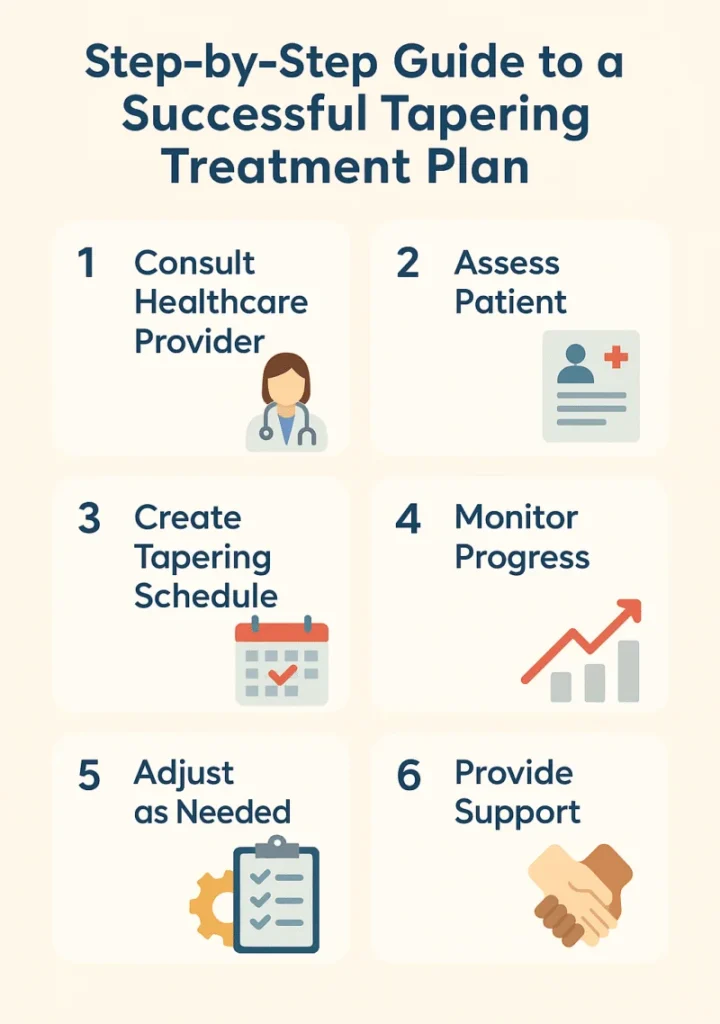
Tapering treatment is usually done in phases. The stages allow the body to establish a new baseline gradually, without overloading the nervous system.
Comprehensive Medical Assessment
Tapering treatment should start with comprehensive medical and psychological evaluations. Healthcare practitioners evaluate the patient’s physical health History, substance use severity and mental well-being. This assessment is the basis for an individualized tapering schedule.
Gradual Dose Reduction
Tapering, means gradually lowering the dose of the substance or drug over a certain period. The speed at which the dosage decreases is closely monitored so that the patient stays stable and comfortable.
Monitoring Withdrawal Symptoms
Medical staff also monitor withdrawal symptoms during the tapering process. Where symptoms are difficult to control, consideration may be given to adjustments that can ensure the safety of the patient.
Psychological Support
Withdrawal is something you can experience physically, but also cognitively and emotionally. Counseling sessions, behavioral therapy and group discussions assist patients as they contend with cravings and emotional changes.
At New Hope Women Rehab Center Islamabad, we incorporate these stages into a comprehensive treatment plan that treats patients with dignity and fosters healing.
The Importance of Mental Health Support
Addiction rarely exists in isolation. Many people who struggle with substance use also have mental health conditions such as depression, anxiety or trauma-related stress.
Islamabad Pakistan hosts a professional Female Rehabilitation Center, which is developed using mental health care combined with addiction treatment. Together, they lower the risk of relapse and fortify emotional resilience.
Therapeutic approaches may include:
- Cognitive Behavioral Therapy (CBT)
- Stress management techniques
- Emotional regulation training
- Mindfulness and relaxation practices
Such a well-rounded strategy helps those patients that they can have a healthier coping mechanism and something more than just self-control.
The Case for Gender-Specific Rehabilitation: Why Women Need It
Women tend to encounter unique barriers when they seek addiction treatment. Social stigma, familial responsibilities and previous trauma can compound barriers to recovery. A women-focused rehabilitation environment can be a safer and more empathetic space to facilitate recovery.
A Women’s Rehabilitation Center in Islamabad Pakistan ensures that women receive care which is sensitive to their own experiences. Gender-sensitive programs offer:
- Confidential and supportive environments
- Trauma-informed therapy
- Women supporting women with like challenges
- Emotional support designed for women
And this environment helps patients to be respected, listened and supported throughout phases of recovery at New Hope Women Rehab Center Islamabad.
Life After Tapering Treatment
Reaching the end of tapering treatment is a significant step in recovery, but it’s only one. Long-term recovery from the emotional damage he done to them necessitates a process not only of ongoing effort but also lifestyle change as well as continued maintenance emotional support system.
Patients are encouraged to engage in after tapering:
- Counseling sessions
- Recovery support groups
- Healthy daily routines
- Stress management practices
A balanced lifestyle lowers the chances of relapse and facilitates long-term recovery.
A reputable Female Rehabilitation Center in Islamabad Pakistan confirms that not only do the patients enter a treatment program but have sufficient knowledge to leave after treatment and a solid foundation for long-term recovery.
Creating a Supportive Recovery Environment
When people feel supported by their families and communities, recovery is stronger. Education and awareness can help reduce stigma around addiction, as well as inspire compassionate reactions to those who turn for assistance.
Family counseling sessions frequently aid loved ones in advocating for addiction education which allows them to understand how acts of love can facilitate recovery. Open communication and encouragement make a better recovery environment.
New Hope Woman Rehab Center Islamabad, for example, makes the healing process a collaborative effort between the patient and his/her loved ones while also focusing on community awareness.
Frequently Asked Questions (FAQs)
1. What is Tapering Treatment in Addiction Recovery?
Tapering treatment: The gradual reduction of a substance or medication, typically done under medical supervision. This methodology assists with lessening withdrawal manifestations and guarantees a more secure detox process.
2. So why is tapering safer than stopping abruptly?
Abruptly stopping certain substances can lead to severe withdrawal symptoms. Thinning, which allows the body to accommodate gradually so there is less discomfort and health risks.
3. Who should consider tapering treatment?
In those who develop physical dependency on drugs or medications, they are often tapered as part of a well defined rehabilitation program.
4. How Does a Female Rehabilitation Center in Islamabad Pakistan Promote Treatment Tapering?
They offer medical supervision, psychological support, psychiatric care and individualized treatment strategies to ensure a safe and successful taper.
5. What comes after tapering treatment is over?
After tapering, patients maintained therapy, recovery programs and lifestyle changes habits to remain sober long-term.
Conclusion
Furthermore, tapering treatment is key for safe and responsible addiction recovery. This allows the person to deal with withdrawal symptoms and start healing in a better place.
A tapering treatment program at New Hope Women Rehab Center Islamabad is an aspect of holistic addiction care. Trusted Female Rehabilitation Center in Islamabad Pakistan only cares about patient safety, emotional support and well-being in the long term. With proper treatment, caring support and continued guidance, women can learn to find their way back toward a healthy and balanced life.