Abstract Background Drug-induced suicide is an important public health problem that affects individuals, families and communities internationally. Excessive use of drugs can severely impair mental health and the mind, weakening the person psychologically and making him more vulnerable to self-harm and suicidal ideation. Often, long-term drug use alters brain chemistry to the point of inducing depression, anxiety, hopelessness and emotional disconnection.
New Hope Women Rehab Center Islamabad The process of addiction is seen as an intimate partner with mental illness. Compassionate care, emotional support, and recovery programs can be pivotal in helping individuals control their lives again and mitigate the risk of substance-induced mental health crises.
Understanding Drug-induced Suicide
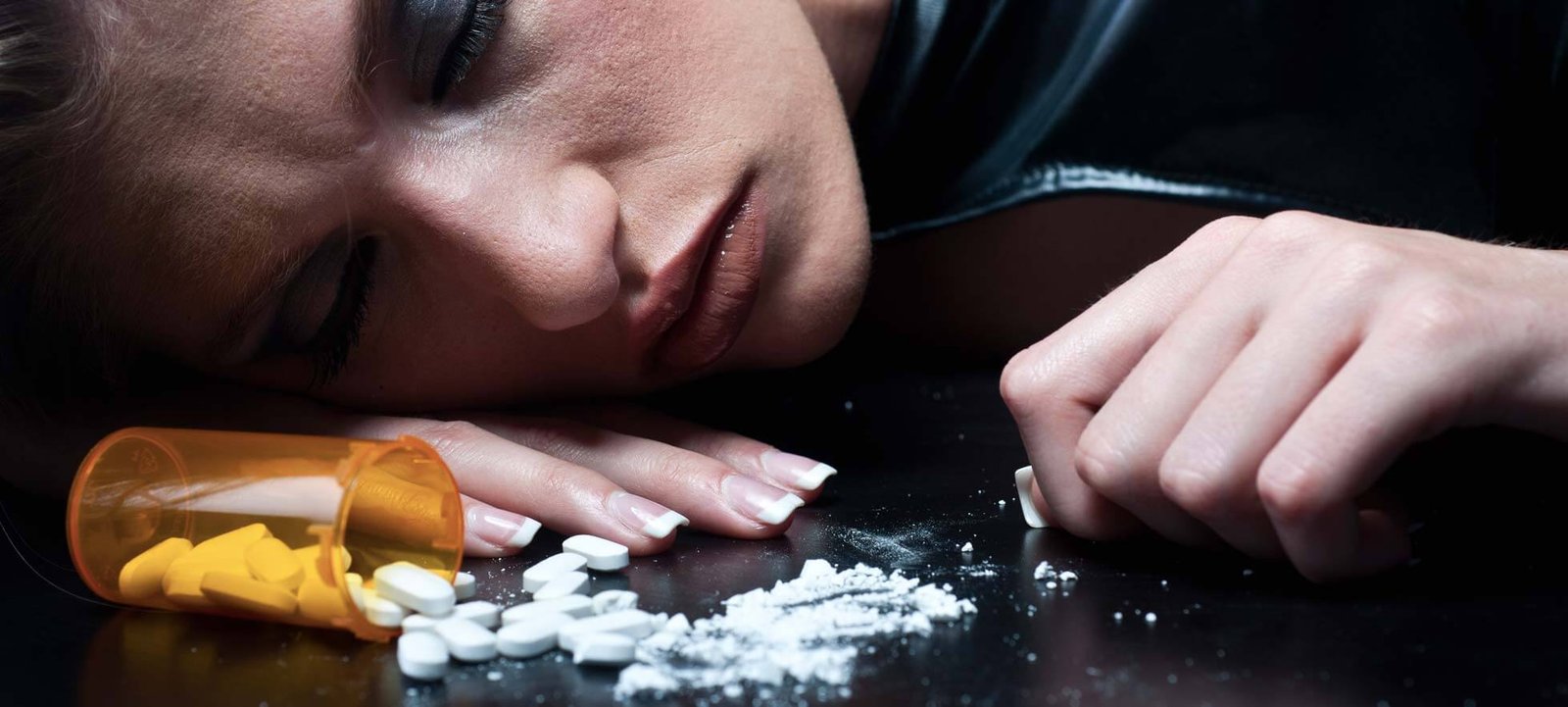
Drug Suicide is the mode of drug-induced suicide (suicide thoughts, attempts or self-injurious behaviors due to such substance abuse, when considered as an instrumental act whose immediate consequence will lead to drug withdrawal. Drugs can skew your judgment; they ramp up emotional pain and decrease your coping skills when it comes to stress or trauma.
Some drugs are more closely connected to suicidal behavior and these include:
- Alcohol
- Cocaine
- Heroin
- Methamphetamine (ICE)
- Prescription opioids
- Benzodiazepines
- Synthetic drugs
These can cause extreme changes in mood, hallucinations, paranoia and acting on impulse. Those already experiencing depression or anxiety are generally at greater risk.
The Mental Health Toll of Substance Abuse
It derails the brain’s natural balance of chemicals that regulates emotions and behavior. As time goes on the substances affect our dopamine and serotonin levels, so that we find it difficult to feel joy / motivation or even emotional stability without drugs.
Common mental health impacts associated with addiction include:
Depression
In turn, long-term substance misuse can lead to feelings of sadness, emptiness, and hopelessness.
Anxiety Disorders
Some people face panic attacks, fear or long-lasting anxiety during drug use or cut back.
Psychosis
Hallucinations, paranoia and disorientation can occur with some drugs, particularly ICE and cocaine.
Sleep Disorders
Sleep blankness just strengthens different problems such as tiredness and emotional distress.
Social Isolation
Since addiction can destroy relationships, a person with an addiction may isolate themselves from family and friends.
If we don’t support them, all those emotional and psychological burdens may heighten suicidal ideation or engaging in harmful behavior.
Warning Signs of Drug-induced Suicide
Timely recognition of warning signs can save a life. Therefore, family members and/or caregivers should monitor changes in behavior or emotions attentively.
Common warning signs include:
- Talking about death or hopelessness
- Sudden mood swings
- Extreme sadness or emotional numbness
- Increased drug or alcohol use
- Social withdrawal
- Reckless behavior
- Giving away personal belongings
- Changes in sleep or appetite
- Expressions of guilt or worthlessness
- Self-harming behaviors
If either of these signs appears, emotional and professional support must be offered immediately.
Risk factors of suicide due to drug intoxication
Some characteristics increase the risk of suicidal behavior in individuals with addiction.
Co-occurring Mental Health Disorders
Mental illness such as depression and bipolar disorder, PTSD, anxiety disorders can make emotional battles even harder.
Trauma and Emotional Stress
Substance misuse also has links to feelings of conflict with family, childhood trauma and abuse, and loss.
Long-term Addiction
Chronic dependence on drugs generally impairs emotional self-restraint, and the capacity to reason.
Withdrawal Symptoms
Worse, withdrawal may come with severe symptoms that make you feel emotionally unstable and hopeless.
Lack of Support
Mental health conditions in individuals can be aggravated by isolation and not having family or community support.
By understanding these contributory risk factors, families and healthcare providers can step in at an earlier stage.
The Importance of Professional Treatment

Drug-induced suicide is the immediate concern for competent health care providers. Stopping use of drugs is not equivalent to recovery. Emotional healing, mental health care, and lifestyle changes are also part of it.
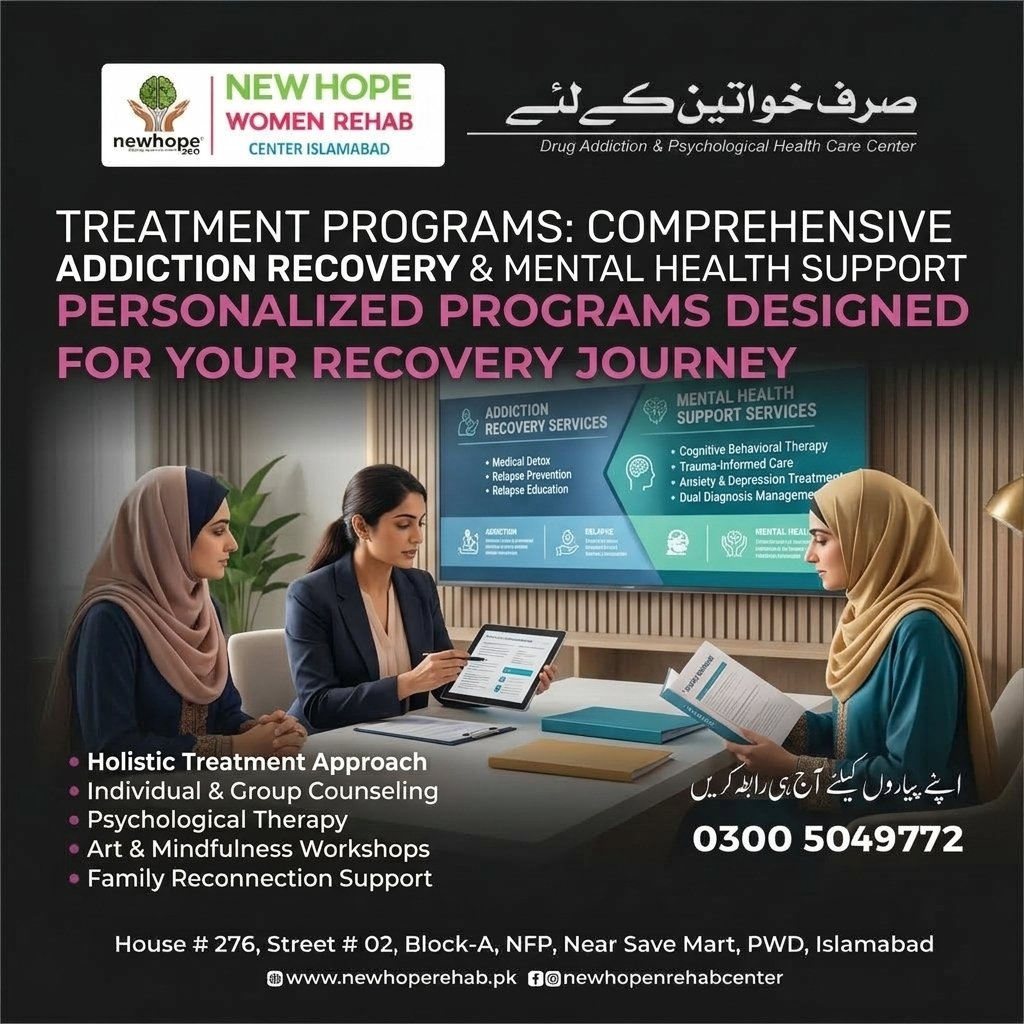
In New Hope Women Rehab Center Islamabad you might be under a treatment that includes:
Medical Detoxification
Detox programs assist patients with safely coping with withdrawal symptoms in a supervised environment.
Psychological Counseling
Identifying Emotional Triggers, Trauma, and Coping Mechanisms During Therapy Sessions
Mental Health Support
Integrated care treats both addiction and a co-existing psychiatric disorder.
Behavioral Therapy
Through cognitive behavioral therapy and emotion regulation principles, you are able to clear cognitive distortions or decreased patterns of negative self-talk.
Family Support Programs
Involvement of family often enhances the recovery and emotional balance.
Relapse Prevention Planning
Programmatic approaches aid people in sustaining recovery or emotional wellbeing over a longer period of time.
Reducing the emotional weight of addiction while increasing mental and physical health is possible through professional involvement.
Family as a Tool for Recovery
The best deterrent to relapse and suicide is family support. Compassion, afford understanding and communicating can build a safer space to recover.
Families can help by:
- Encouraging professional treatment
- Avoiding judgment or blame
- Offering emotional support
- Your training history includes details of addiction and mental health
- Monitoring warning signs
- Promoting healthy routines
When you feel supported and heard, it is much easier to recover.
Emotional Recovery Through Healthy Measures
For addiction recovery and mental wellness in the long run, you definitely need to take care of coping skills.
Helpful coping strategies include:
- Regular physical activity
- Mindfulness and relaxation techniques
- Healthy sleep habits
- Balanced nutrition
- Support groups
- Journaling emotions
- Creative hobbies and activities
- Staying socially connected
Good positive habits will lower stress levels, balance your emotional wellbeing and ease the recovery process.
Lessen the Social Stigma of Addiction and Suicide
A lot of people do not seek assistance due to fear, shame or the societal pressure that exists. Addiction is a disease of the mind, it is serious and needs to be treated with understanding, as does mental health.
Awareness for drug-induced suicide encourages people to reach out for treatment without the fear of stigma. And open dialogue concerning the mental wellbeing of at-risk members would permit households and communities to higher assist them.
FAQs
1. What is drug-induced suicide?
Drug-induced suicide: Suicidal thoughts or behavior associated with drug abuse, intoxication, or its withdrawal effects.
2. What Are the Names of Some Drugs That Can Increase Suicidal Behavior?
Alcohol is a well-known risk factor for suicide, as are heroin (21-35%), cocaine (23-64%), methamphetamine (18-34%), prescribed opioids such as oxycontin and morphine, which are often overprescribed in the US by healthcare providers, but prescriptive medication overdose itself has only been rarely investigated for its verification of suicide; synthetic drugs like fentanyl.
3. Can treatment help deter suicidal ideations?
Yes; safe, reputable treatment for addiction and mental illness has proved effective in reducing many forms of emotional distress and suicidal behavior.
4. What are the early warning signs of suicidal behavior in addiction?
These signs can include hopelessness, isolation, extreme changes in behavior and drug use, self-harm or talk of death.
5. We have raised a question about the importance of family support during recovery.
Family members give the emotional stability and encourage individuals to recover from their condition, apart from contributing to the general health of family by providing a better environment for mental wellness.
Conclusion
Background Drug-induced suicide is a complex area of mental and physical health. Drug and alcohol addiction can wreak havoc on emotional balance, relationships of all sorts and quality of life. The sooner someone receives treatment, professionally and within a safe environment as well as support with loving hands, the faster recovery can start.
New Hope Women Rehab Center Islamabad is a leading rehabilitation center, offering ethical treatment services in a patient-centered environment for addiction & mental health disorders. The structured treatment process, counseling, and emotional support can help individuals work their way toward healing, stability, and long-term recovery.